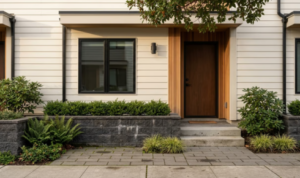
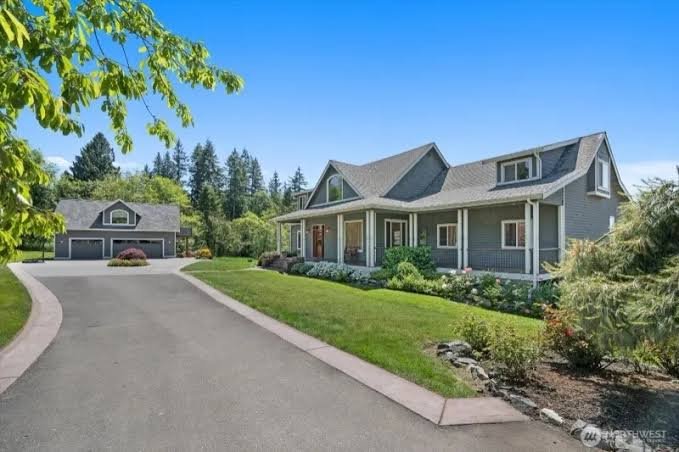
One day, a couple decided to sell their Lynnwood home; they expected it to sell for about the same price as another house owned by their friends just a few miles away. Both homes had similar square footage, were built within two years of each other, and had recently been updated. Yet after meeting with local real estate agents, they learned there was a considerable difference in market value.
The reason had nothing to do with the homes themselves.
Their friends lived within walking distance of the Lynnwood City Center and the Link Light Rail station, while their property sat in a quieter neighborhood farther from shopping, transit, and major commuter routes. Both homes eventually sold successfully, but buyer demand, showing activity, and final sale prices were noticeably different.
This is a situation many Lynnwood homeowners experience when it’s time to sell their home. Buyers are not simply purchasing a house. They are investing in a neighborhood, a lifestyle, and long-term convenience. If you’re Selling Your Home in Lynnwood, understanding how different neighborhoods influence buyer demand can help you price your property strategically and market it to the right audience.
Location Means Different Things In Different Parts Of Lynnwood
One of the biggest misconceptions homeowners have is believing that every property within city limits appreciates equally.
The Lynnwood real estate market does not work that way.
Local real estate professionals regularly see similar homes receive very different levels of interest because buyers evaluate much more than bedrooms and bathrooms. They compare neighborhoods based on convenience, schools, commute times, nearby amenities, and even future development plans.
Instead of asking, “Is my home in Lynnwood?”
Buyers often ask:
- How long is the commute?
- Can I walk to restaurants?
- Is shopping nearby?
- Are parks close enough for children?
- Will this neighborhood continue growing over the next five years?
Those answers often have a direct impact on Lynnwood home values.
Why Do Some Lynnwood Neighborhoods Receive More Buyer Attention?
After working with buyers throughout Snohomish County, many experienced local real estate agents notice that buyers naturally divide Lynnwood into several lifestyle areas rather than viewing the city as one large market.
Lynnwood City Center
The City Center has become one of the most active areas for buyers who prioritize convenience.
With the arrival of Link Light Rail, ongoing redevelopment, new residential communities, restaurants, and retail growth, this area attracts commuters, young professionals, and investors looking for long-term appreciation.
Homes near the City Center often benefit from:
- Easier commuting to Seattle and Bellevue
- Walkability
- Modern mixed-use developments
- Growing employment opportunities
- Strong resale appeal
While not every property commands a premium, homes in this area frequently generate higher buyer activity because of their accessibility.
Alderwood Area
Neighborhoods surrounding Alderwood Mall appeal to buyers who value everyday convenience.
These homes attract families and professionals looking for quick access to shopping, dining, entertainment, and healthcare without leaving the city.
During recent selling seasons, homes in these neighborhoods have often experienced strong showing activity because buyers appreciate having major services nearby.
Convenience creates competition, and competition frequently supports stronger Lynnwood home values.
Neighborhoods Near Parks And Green Space
Not every buyer wants to live close to commercial areas.
Some specifically search for quieter neighborhoods near parks like Scriber Lake Park, Lynndale Park, or homes with easy access to the Interurban Trail.
These buyers often value:
- Larger yards
- Walking trails
- Mature trees
- Less traffic
- Family-oriented surroundings
For these buyers, lifestyle outweighs proximity to shopping.
Buyer Demand Changes From One Street To The Next
One lesson local real estate agents learn quickly is that neighborhood boundaries are only part of the story.
Sometimes demand changes within only a few blocks.
A home located on a quiet residential street may receive stronger offers than an almost identical home positioned beside a busy arterial road.
Likewise, two homes inside the same subdivision may perform differently depending on:
- Corner versus interior lot placement
- Privacy
- Noise levels
- Nearby greenbelts
- Sidewalk access
- Parking availability
These details regularly influence how buyers perceive value.
That is why pricing based solely on citywide averages can be misleading when selling your home.
How Commuters Are Reshaping The Lynnwood Real Estate Market?
Buyer behavior has changed significantly over the last several years.
Many households relocating from Seattle, Bellevue, and even Redmond are looking for larger homes without sacrificing accessibility.
Properties offering convenient access to I-5, I-405, Highway 99, and the Link Light Rail system have become increasingly attractive.
For these buyers, saving fifteen minutes on a daily commute can outweigh cosmetic upgrades inside the home.
Experienced local real estate agents frequently see buyers compromise on finishes if the location better fits their daily routine.
This shift continues influencing the real estate market, particularly in neighborhoods offering convenient transportation options.
School Boundaries Influence More Than Family Buyers
Many homeowners assume school districts only matter to buyers with children.
In reality, school boundaries often influence resale demand across multiple buyer groups.
Properties served by well-established schools generally maintain broader appeal because future buyers may also prioritize educational options.
Even purchasers without school-age children often consider this when evaluating long-term investment potential.
This wider buyer pool helps support stable Lynnwood home values over time.
Local Experience Reveals Patterns That Online Estimates Miss
Online valuation tools rely heavily on recent sales.
They cannot explain why one neighborhood consistently attracts multiple offers while another sees longer marketing times.
Agents working throughout Lynnwood often notice recurring patterns, including:
- Homes near new transportation improvements are generating earlier offers
- Certain neighborhoods are attracting relocation buyers from King County
- Properties close to walking trails are appealing to downsizing homeowners
- Family buyers focusing heavily on quieter residential streets
- Updated homes near commercial districts are selling more quickly than similar homes in less convenient locations
These observations come from years of showing homes, negotiating offers, and listening to buyer feedback rather than relying solely on data.
That local knowledge becomes especially valuable when you sell your home.
Future Development Can Add Value Before Construction Is Finished
Another factor many homeowners overlook is future growth.
Buyers increasingly research planned improvements before submitting offers.
Projects such as:
- Additional mixed-use developments
- Road improvements
- Commercial expansion
- Community gathering spaces
- Transit-oriented development
- Infrastructure investments
can shape buyer confidence about an area’s future.
While no development guarantees appreciation, neighborhoods experiencing thoughtful investment often remain highly desirable.
How To Market Your Home Based On Its Neighborhood?
Every home has a story, but the neighborhood should be part of that story too.
Instead of simply listing features inside the house, successful marketing highlights why the location enhances everyday living.
Depending on where the property is located, marketing may emphasize:
- Walkability to restaurants
- Access to the Light Rail station
- Nearby parks and recreation
- Shopping convenience
- Quiet residential streets
- Easy freeway access
- Local community events
- Recreational trails
This neighborhood-focused approach helps buyers picture themselves living there rather than simply viewing another property online.
Pricing Requires Neighborhood-Level Knowledge
Two homes with nearly identical floor plans rarely receive identical offers if they are located in different parts of Lynnwood.
Pricing successfully requires understanding:
- Recent neighborhood sales
- Current buyer demand
- Competing listings
- Days on market
- Inventory levels
- Local development activity
- Unique location advantages
Experienced local real estate agents evaluate all of these factors before recommending a listing price.
That detailed analysis produces a far more accurate estimate than automated online calculators.
Make Your Neighborhood Your Greatest Selling Advantage
Location has always mattered in real estate, but today’s buyers evaluate neighborhoods with greater attention than ever before. They compare commute times, parks, future development, walkability, and community character before deciding where to make an offer. Understanding how your specific neighborhood fits into the broader real estate market allows you to position your property more effectively. If you’re Selling Your Home in Lynnwood, working with knowledgeable local real estate agents who understand neighborhood-level trends can help you highlight your home’s unique advantages, attract motivated buyers, and maximize your home’s value.