
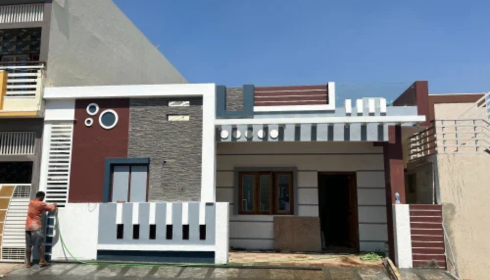

There’s a certain feeling you get when you walk into a well-designed home. It’s hard to explain properly. The rooms flow naturally, the light lands where it should, and somehow everything feels calm without trying too hard. You notice it immediately, even if you can’t point to a single reason why.
That’s the thing about homes — they’re emotional spaces long before they’re construction projects.
People often spend months choosing finishes, comparing layouts, or scrolling through inspiration photos online, but what they’re really searching for is comfort. A place that reflects how they live, how they rest, and how they want life to feel after a long day.
And honestly, that’s become more important than ever lately.
Why Modern Homes Are Becoming More Personal
For years, many houses followed trends instead of people. Formal dining rooms nobody used. Oversized spaces that looked impressive but felt empty. Designs built for appearances rather than everyday life.
Now the conversation is changing.
Families want homes that support real routines. Parents need practical storage. Remote workers need functional office space. Homeowners want kitchens where people actually gather instead of rooms that stay untouched except during holidays.
That shift has changed the entire approach to residential construction in recent years. Builders and designers are paying closer attention to how homes function emotionally, not just structurally.
Because a house isn’t simply walls and square footage. It’s where life unfolds in ordinary moments — rushed mornings, late-night conversations, quiet weekends, celebrations that somehow end with everyone standing around the kitchen counter.
The best homes make those moments easier.
Renovation Is About More Than Updating a Space
A lot of homeowners assume they need to move when their house stops working for them. But often, the better option is reshaping the home they already love.
That’s where thoughtful remodeling services can completely transform daily living without forcing people to leave familiar neighborhoods or memories behind.
Sometimes the changes are dramatic. Walls come down. Floor plans open up. Entire kitchens shift locations.
Other times, the improvements are surprisingly subtle:
- Better lighting
- Smarter storage
- Improved traffic flow
- Larger windows
- More natural materials
And weirdly enough, even small adjustments can change the entire mood of a home.
I’ve seen dark, cramped houses become warm and inviting simply because someone finally allowed natural light to move through the space properly. It sounds simple, but it matters.
People underestimate how much their environment affects stress levels, productivity, and even relationships.
Good Design Usually Feels Effortless
One of the biggest misconceptions about home design is that expensive automatically means beautiful.
It doesn’t.
Some of the most inviting homes are relatively simple. They just feel balanced. Comfortable. Lived in.
Good design isn’t about stuffing a room with trends or expensive furniture. It’s about creating spaces that quietly support everyday life.
That’s part of why the design build approach has become so popular. Instead of separating architects, designers, and contractors into disconnected stages, homeowners work with teams that collaborate from the beginning.
The process tends to feel smoother because everyone is solving problems together rather than handing projects off in pieces.
And honestly, that collaboration often leads to better results. Practical decisions happen earlier. Budgets stay clearer. Design choices feel more cohesive instead of patched together halfway through construction.
Trends Fade, Comfort Doesn’t
Every year brings another wave of home trends. One year it’s ultra-minimalism. The next year everything becomes dark wood, textured stone, or oversized lighting fixtures.
Some trends genuinely work.
Others age badly within months.
The homes that hold up best over time usually avoid chasing every passing aesthetic. Instead, they focus on timeless foundations:
- Durable materials
- Neutral tones
- Functional layouts
- Natural light
- Flexible spaces
Then personality gets layered gradually through artwork, textiles, decor, and furniture.
That approach creates homes that evolve naturally instead of feeling trapped in a specific design era.
And honestly, that matters more than people think. Nobody wants to feel like their home became outdated overnight because social media moved on to a different style.
Building or Renovating Is Rarely Stress-Free
This part doesn’t get discussed enough.
Construction projects can be emotionally draining, even exciting ones. Budgets shift unexpectedly. Timelines stretch longer than planned. Decisions pile up quickly, and eventually every countertop sample starts looking identical.
There’s also a strange emotional weight attached to creating a home. People want everything to feel perfect because they know they’ll live with these decisions for years.
But perfection usually isn’t the goal that creates the happiest homes.
Comfort is.
The homes people love most are rarely flawless. They’re personal. Functional. Warm. Maybe the floors scratch over time or the paint color looked slightly different than expected. Life happens.
What matters is whether the space supports real living.
A Home Should Work for Your Life — Not the Other Way Around
At the end of the day, homes are deeply personal places. They shape routines, influence moods, and quietly affect how people experience daily life.
A thoughtfully designed home doesn’t just look good in photographs. It makes mornings less chaotic. It creates better gathering spaces. It gives people room to breathe after stressful days.
And honestly, that’s probably why good construction and design matter so much.
Not because people are chasing perfection, but because they’re trying to create spaces that feel genuinely good to live in. Spaces that age gracefully alongside the people inside them.
That kind of comfort never really goes out of style.