Rapid Solutions for Sudden Mechanical Breakdowns
You are already running late for a crucial morning meeting, coffee in hand, when you hit the garage wall switch. Instead of the familiar, rhythmic glide of your overhead door, you are greeted by an alarming metallic groan, a harsh shudder, or worst of all, absolute silence. Few mechanical failures disrupt your daily routine faster than a trapped vehicle behind a stubborn two-hundred-pound wall of steel. Whether managing a busy household or running a commercial facility, an unexpected breakdown leaves your building exposed and your schedule completely derailed. Understanding how technicians diagnose these high-tension systems helps you spot critical failure points early and get your entry barrier back on track without unnecessary delay.
When a Two-Hundred-Pound Wall Refuses to Budge
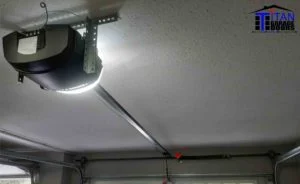
When an overhead door suddenly stalls midway through its travel cycle, the instinct is often to press the remote repeatedly and hope for a miracle. However, an overhead door system is a tightly balanced mechanical system where every component depends directly on the next. The electric opener hanging from your ceiling acts only as a guide; a high-tension spring assembly handles the heavy lifting by counterbalancing the weight of the steel or wooden panels. When one link in this chain snaps or binds, forcing the motor to drag the door’s full deadweight can quickly burn out internal logic boards or strip drive gears, turning a simple mechanical tune-up into a complex drive replacement.
Diagnosing Snapped Torsion Springs and Frayed Lifting Cables
The most common culprit behind a sudden breakdown is a ruptured torsion spring, often announced by a loud crack that sounds remarkably like a gunshot echoing through your home. Torsion springs, mounted horizontally on a solid steel shaft directly above the door header, endure thousands of rotational cycles and store immense mechanical torque every time the door closes. Over time, metal fatigue and temperature swings cause the steel coil to snap, instantly leaving the entire door weight resting on the lift cables. If you notice a visible gap in the coils above your door or frayed, unraveling aircraft cables dangling near the bottom corner brackets, the counterbalance system has completely failed and needs immediate technical intervention before the door can move safely again.
Taming Misaligned Tracks and Seized Roller Bearings
Even if your springs are intact, an overhead door won’t move smoothly if its guide tracks are structurally misaligned. Daily vibrations, accidental bumper nudges, or foundation settling can shift vertical jamb brackets just enough to throw the track out of plumb. When this happens, the rollers bind tightly against the track walls, forcing the panel to travel unevenly until it jumps off track entirely. Worn steel rollers with seized internal bearings add extreme friction, causing the system to screech as they scrape along the galvanized steel channel. Inspecting track clearances, re-securing loose mounting brackets, and upgrading to commercial-grade nylon rollers with sealed ball bearings restore whisper-quiet operation and prevent structural panel warping.
Troubleshooting Opener Motor Logic and Safety Eye Sensors
Not every operational headache stems from heavy iron and steel; modern overhead systems rely heavily on sensitive electronics to meet safety standards. If your door starts descending only to stop, reverse, and flash its overhead courtesy lights, the culprit is almost always the photoelectric safety eye network. These twin infrared sensors, mounted inches above the concrete floor, must maintain a perfectly aligned invisible beam across the opening. Dust buildup, spiderwebs, direct sunlight glare, or a casual kick from a soccer ball can disrupt the signal and trigger the opener’s internal safety override. Aligning the sensor brackets, wiping the optical lenses clean, and checking wire terminals resolve most sensor glitches in minutes and help ensure compliance with UL 325 auto-reverse protection guidelines.
Why DIY Quick Fixes Often Backfire Under Pressure
When you face an emergency lockout, it can be tempting to look for a quick home remedy with a pair of pliers and a can of spray lubricant. However, working around garage door hardware carries serious safety risks because of the extreme torque locked inside the spring coils and bottom lifting brackets. Adjusting torsion spring winding cones without specialized winding bars can cause sudden unwinding and lead to catastrophic physical injury. Furthermore, applying heavy grease inside vertical tracks actually attracts dirt and grit, creating a sticky paste that seizes rollers over time. Professional technicians use calibrated tension gauges, laser alignment tools, and specialized synthetic lubricants designed to withstand high friction and freeze-thaw temperature swings.
Restoring Safety and Security with Professional Precision
A malfunctioning garage door is more than a minor annoyance; it compromises your property’s perimeter security, climate control insulation, and daily convenience. By understanding the mechanical roles of torsion springs, lifting cables, track alignment, and electronic safety eyes, you can spot early warning signs like sluggish movement, squealing bearings, or uneven panel gaps before total mechanical breakdown occurs. When high-tension components fail or panels jump off track, securing professional fast garage door repair ensures that skilled specialists correct track geometry, re-tension counterbalance springs, and recalibrate motor logic safely and efficiently. Protect your property and restore seamless access by scheduling a comprehensive technical door inspection today.