
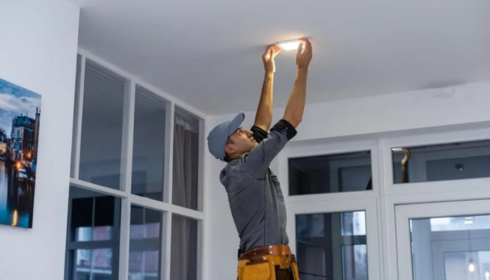
What can you learn by noticing how quickly broken lights or common area issues are fixed in the building?

Broken bulbs in hallways, damaged tiles in lobbies, a lift button not working, a leaking tap in a common washroom—these little things tell you a lot about building culture.

If you visit and see issues that are clearly old—dusty broken fittings, long-standing stains, handwritten complaints still taped to the wall—it often means complaints are slow to be addressed. Management may be unresponsive or funds not well used.

If, instead, you notice small problems but they’re clearly in the process of being fixed—freshly replaced bulbs, wet paint signs, recent notices about planned repairs—that’s a sign people pay attention. Things will still break, but they won’t stay broken for ages.

How a building treats shared spaces is a preview of how your future problems might be handled.

Advertisement

Why Getting Your Home’s...

Most people don’t think about their water setup until...

When You Start Questioning...

It’s rarely a dramatic moment. No alarms, no obvious...

How to Get Rid...

Getting rid of old furniture in Phoenix can feel...

When Kitchen Appliances Start...

There’s a certain rhythm to a well-functioning kitchen. The...

How can placing a...

Coffee tables naturally attract stuff: remotes, coasters, candles, books,...

What difference does hiding...

Chargers and cables are like visual clutter magnets. A...

Why Getting Your Home’s Water Right Is Less About Equipment—and More About Trust

Most people don’t think about their water setup until something feels off. Not broken, not urgent—just off. Maybe the pressure changes. Maybe the taste isn’t what...

When You Start Questioning Your Water, You’re Already Halfway There

It’s rarely a dramatic moment. No alarms, no obvious red flags. Just a small pause — maybe when you take a sip of water...

How to Get Rid of Old Furniture Phoenix: Complete Guide

Getting rid of old furniture in Phoenix can feel overwhelming. Bulky couches, worn-out dressers, broken chairs, and outdated tables often take up valuable space,...

When Kitchen Appliances Start Acting Up: A Real-World Guide to Smart Repairs

There’s a certain rhythm to a well-functioning kitchen. The hum of appliances, the quiet click of switches, the comforting smell of morning coffee brewing....

How can placing a tray on a coffee table turn scattered items into a single, tidy-looking group?

Coffee tables naturally attract stuff: remotes, coasters, candles, books, maybe a plant, definitely some random thing that hasn’t found its home yet. Spread out,...

What difference does hiding everyday chargers and cables in a small box or organiser make to visual calm?

Chargers and cables are like visual clutter magnets. A few wires on a table instantly make the area look busy and untidy, even if...

How can choosing curtains that just lightly touch the floor look neater than ones pooling too much?

Curtains that puddle dramatically on the floor look beautiful in styled photos, but in everyday life they collect dust, get kicked around, and tangle...

Why does using mirrors opposite light sources, instead of randomly, make a bigger difference to brightness?

Mirrors don’t create light; they redirect it. If you hang a mirror on a wall that faces a blank wall, you’ll mostly just reflect...

How can pairing one bold cushion with a few plain ones add personality without cluttering the sofa?

A sofa piled with ten different loud cushions can look messy fast. But a completely plain sofa with no cushions at all can feel...