
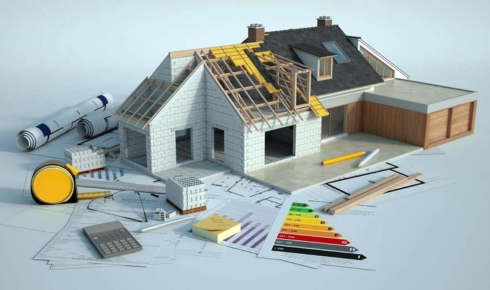
Every good building has a story before anyone moves in, opens the doors, or switches on the lights for the first time. There are drawings, decisions, late changes, budget talks, site visits, and probably a few cups of coffee gone cold along the way. Whether it is a home, office, shop, warehouse, or mixed-use space, the finished result depends on the choices made much earlier than most people realise.
A strong project is not just about how things look when the dust settles. It is about how the space performs every day after that. Do the rooms feel practical? Is the wiring safe and future-ready? Are the systems easy to access if something needs checking? Has the work been done with enough care that people can simply get on with living or working inside the building?
That is where proper planning, skilled workmanship, and honest communication make all the difference.
Starting With a Clear Plan
The early stage of any building work can feel exciting, but also slightly overwhelming. There are so many moving parts. Design, materials, approvals, trades, timelines, and costs all need to line up in a sensible way. If one part is rushed or poorly planned, the effects can show up later, sometimes in expensive and frustrating ways.
A new construction project gives owners the opportunity to get things right from the beginning. Electrical layouts, lighting plans, power capacity, safety systems, access points, and future upgrades can all be considered before walls are closed and finishes are installed.
This is the ideal time to think beyond basic requirements. Where will people actually use laptops, appliances, tools, screens, or charging points? Will the building need extra capacity later? Are outdoor spaces, security systems, or energy-efficient features part of the plan? Small decisions at this stage can make the finished property much easier to use.
The Hidden Work Matters Most
People naturally notice visible finishes first. Flooring, paint, fixtures, doors, windows, furniture — these are the things that catch the eye. But the hidden work often matters more. Wiring, plumbing, insulation, structural details, ventilation, and safety systems quietly decide how well the building performs over time.
Nobody wants to tear into a finished wall because something was missed behind it. Nobody wants lights in the wrong place, too few outlets, weak circuits, or awkward access to important systems. It is far better to slow down during planning than to pay for corrections after completion.
Good contractors and skilled tradespeople understand this. They ask practical questions. They look for potential problems before they become real ones. They do not just complete tasks; they think about how people will use the space once the job is finished.
Breathing New Life Into Existing Spaces
Older buildings have character. Sometimes they have solid bones, good proportions, and a sense of personality that newer properties do not always capture. But they can also come with surprises. Outdated wiring, tired layouts, poor lighting, damaged fittings, or systems that no longer match modern needs.
A thoughtful renovation is not only about making a place look fresh. It is about improving comfort, safety, and function while respecting what already exists. That may mean updating electrical systems, reworking room layouts, adding better lighting, improving energy efficiency, or making the space more suitable for today’s lifestyle or business demands.
The best improvement projects feel natural when they are finished. The space should not feel forced or overdone. It should simply feel like it now works the way it always should have.
Safety Should Never Be an Afterthought
In any building project, safety has to sit close to the centre of every decision. It is not the glamorous part, admittedly. People rarely get excited about compliance checks, inspections, circuit protection, emergency lighting, or proper installation standards. Still, these are the details that protect people and property.
Cutting corners may save a little money in the short term, but it usually creates bigger risks later. Poor workmanship can lead to faults, breakdowns, delays, or even dangerous situations. Reliable professionals know that safety is not just paperwork. It is part of doing the job properly.
For homeowners, landlords, developers, and business owners, choosing qualified people is one of the smartest decisions they can make. It brings peace of mind, and frankly, that is worth a lot.
Keeping Buildings Working Well
Once a project is complete, it is tempting to think the work is finished forever. But buildings are living, working spaces. People use them, weather affects them, systems age, and needs change. What works perfectly today may need attention in a few years.
That is why regular maintenance is such a practical investment. It helps catch small problems early, keeps systems performing properly, and reduces the chance of sudden breakdowns. A loose fitting, overloaded circuit, worn component, or minor fault can often be dealt with quickly when spotted in time.
Maintenance also protects value. A well-cared-for property feels better, works better, and is easier to manage. For businesses, it can reduce downtime. For homeowners, it can prevent stress. For landlords, it helps keep tenants safe and satisfied.
Quality Work Pays for Itself
Good building work is rarely the cheapest option on paper. But quality has a way of proving its worth over time. Better planning reduces mistakes. Skilled installation lasts longer. Clear communication avoids confusion. Safer systems reduce risk. Thoughtful design makes daily life easier.
The real goal is not simply to complete a project. It is to create a space that people can trust.
Whether starting from an empty plot, improving an older property, or keeping an existing building in good condition, the same principle applies: the work should be done with care. Not rushed, not guessed, not patched together, but handled properly.
Because a building is more than walls and finishes. It is where people live, work, meet, rest, create, and build their own routines. When the foundation is strong and the details are right, everything else feels a little easier.