Most of us don’t spend much time thinking about water. We turn on the faucet, fill a glass, start the washing machine, and carry on with the day. It feels ordinary because it’s always there. But when the water doesn’t taste quite right, leaves white spots on dishes, or makes your skin feel dry after every shower, it’s suddenly impossible to ignore.
The reality is that water quality affects far more than drinking. It quietly influences your plumbing, household appliances, laundry, cooking, and even the comfort of your daily routine. That’s one reason more homeowners are taking a closer look at what flows through their pipes instead of assuming every tap delivers the same quality.
The good news? Many common water problems have practical solutions once you understand what’s causing them.
Water Quality Isn’t the Same Everywhere
Water naturally changes depending on where it comes from. Municipal supplies, private wells, and regional water sources all have different characteristics. Some areas struggle with hard water packed with minerals, while others deal with chlorine, sediment, iron, sulfur, or unwanted odors.
That’s why neighbors living only a few streets apart may have completely different experiences with their water.
Instead of relying on assumptions, it’s worth learning what makes up your local water supply. A little knowledge can save money, reduce frustration, and help you choose the right improvement for your home.
Everyday Signs Your Water Could Be Better
Many homeowners live with poor water quality without realizing it.
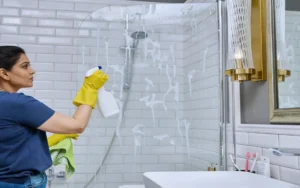
Maybe your shower doors constantly develop cloudy stains. Soap seems harder to rinse away. Your coffee tastes inconsistent even when using the same beans. Towels lose their softness after washing, and faucets need constant cleaning because of mineral buildup.
Individually, these issues may not seem important. Together, though, they create extra work and unnecessary wear on your home’s plumbing and appliances.
Water should make everyday life easier—not add another item to your cleaning checklist.
Choosing the Right Filtration Matters
There isn’t a universal filter that solves every water issue.
Some homes only need better-tasting drinking water, while others require protection from sediment, chlorine, or additional contaminants affecting the entire plumbing system. Understanding the actual condition of your water helps avoid buying equipment that doesn’t address the real problem.
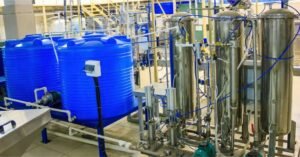
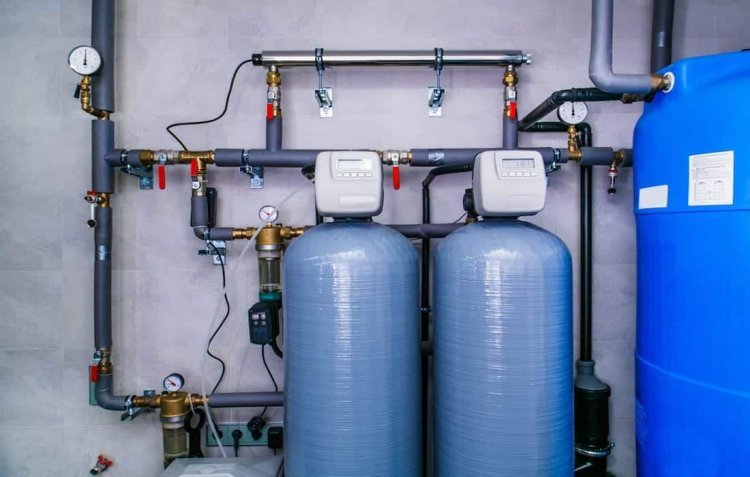
Modern water filtration systems are available in a wide variety of designs, allowing homeowners to target specific concerns instead of relying on generic solutions. When properly selected, they improve water quality while helping protect appliances and plumbing from unnecessary buildup.
The key is matching the system to the water—not the other way around.
Hard Water Can Affect More Than You Expect
Hard water is one of the most common household water challenges.
Although the minerals responsible for hardness aren’t typically dangerous to consume, they often leave behind scale that slowly builds inside pipes, water heaters, coffee makers, dishwashers, and other appliances.
You might also notice soap doesn’t lather very well, shampoo feels harder to rinse out, or freshly washed clothes seem rough instead of soft.
That’s where professionally designed water softening solutions can make a meaningful difference. By reducing excess minerals, these systems help improve cleaning performance, reduce scale buildup, and create a more comfortable experience throughout the home.
It’s one of those upgrades that many people don’t fully appreciate until they’ve lived with it for a while.
Better Water Can Help Your Home Last Longer
People often think of water treatment as something that’s only about drinking.
In reality, your home’s plumbing system works around the clock. Every gallon flowing through pipes, fixtures, and appliances influences how efficiently everything operates.
Mineral buildup forces water heaters to work harder. Scale inside plumbing may gradually reduce water flow. Dishwashers and washing machines often become less efficient over time when exposed to untreated hard water.
Improving water quality can reduce unnecessary maintenance and help expensive equipment continue performing as intended.
Sometimes preventing problems is much less expensive than repairing them later.
Every Home Has Different Needs
One mistake homeowners occasionally make is buying equipment simply because a friend recommended it.
But water conditions vary tremendously from one property to another.
A family using well water may need something completely different from someone connected to a municipal supply. Older homes may have plumbing-related concerns, while newly built houses might only require improvements for taste and hardness.
Because of those differences, customized water treatment solutions usually provide better long-term value than generic, one-size-fits-all products.
Finding the right approach begins with understanding your home’s unique water profile rather than guessing.
Small Improvements Make Everyday Living Easier
One interesting thing about improving water quality is that the benefits often appear gradually.
Your dishes become clearer. Laundry feels fresher. Showers leave your skin feeling more comfortable. Coffee tastes cleaner, and faucets require less scrubbing.
None of these changes completely transform your life overnight.
Yet together, they make your home noticeably easier to maintain and more enjoyable to live in.
Those quiet improvements are often the ones people appreciate most because they become part of everyday life without demanding attention.
A Smarter Investment Than Many People Realize
Homeowners frequently invest in flooring, kitchen renovations, landscaping, or new furniture because the improvements are easy to see.
Water treatment is different.
Its value shows up in longer-lasting appliances, cleaner fixtures, fewer maintenance headaches, improved comfort, and greater confidence in the water your family uses every single day.
Whether your goal is protecting your plumbing, improving drinking water, reducing hard water problems, or simply making daily routines a little more enjoyable, investing in better water is rarely something people regret.
At the end of the day, water flows through nearly every moment spent at home. Making that water cleaner, healthier, and better suited to your household isn’t just another home improvement—it’s an investment in the comfort, efficiency, and long-term well-being of the place where life happens every day.