Most of us turn on the kitchen tap without giving it much thought. We fill a glass, make a cup of tea, wash vegetables, and get on with the day. Water is simply there, doing its job. But when it starts tasting strange, leaves marks on utensils, or develops an unusual smell, we suddenly pay attention.
The thing is, not every water problem is easy to spot. Water can look perfectly clear while containing substances you wouldn’t want in your drinking supply. On the other hand, visible mineral deposits don’t automatically mean the water is unsafe. Knowing the difference matters, especially when you’re trying to decide whether your home needs a filter, a softener, or something more specialised.
Fortunately, improving household water doesn’t have to be confusing. With a little knowledge and the right information about your supply, you can make choices that protect your family without spending money on equipment you don’t need.
Why Water Quality Matters More Than You Think
The water entering your home can come from a municipal supply, a borewell, a private well, or another local source. Each has its own characteristics, and the quality can change depending on geography, infrastructure, rainfall, and groundwater conditions.
In some homes, the first warning sign is hard water. Calcium and magnesium leave white deposits around taps and inside kettles. In others, chlorine creates an unpleasant swimming-pool-like smell, or suspended particles make the water look cloudy.
These problems aren’t all alike. Hardness is generally a nuisance rather than a direct health threat, while certain chemical contaminants and disease-causing microorganisms can present genuine health risks.
That’s why water quality shouldn’t be judged by appearance alone. A clear glass of water isn’t proof that every relevant safety standard has been met, just as a little mineral residue doesn’t necessarily mean the supply is dangerous.
If you receive municipal water, check the supplier’s available quality reports. If your household relies on groundwater, consider testing through a qualified laboratory. The appropriate tests will depend on your location and source, but they can help identify problems before you invest in treatment equipment.
Understanding the Different Water Filtration Systems
Walk into a home-improvement store or browse water filters online, and the number of choices can feel overwhelming. There are countertop filters, under-sink units, whole-house installations, carbon cartridges, sediment filters, and reverse-osmosis systems. They all have different purposes.
Water filtration systems work by removing or reducing particular substances as water passes through a filtering medium or treatment component. The results depend on the technology, the contaminant, and the specific product.
Sediment filters trap particles such as sand, rust, and suspended debris. They’re particularly useful when visible particles are a concern or when other equipment needs protection.
Activated carbon filters can improve taste and odour by reducing chlorine and certain organic compounds. They’re often a practical choice for households that dislike the taste of their tap water, provided the filter is certified for the intended purpose.
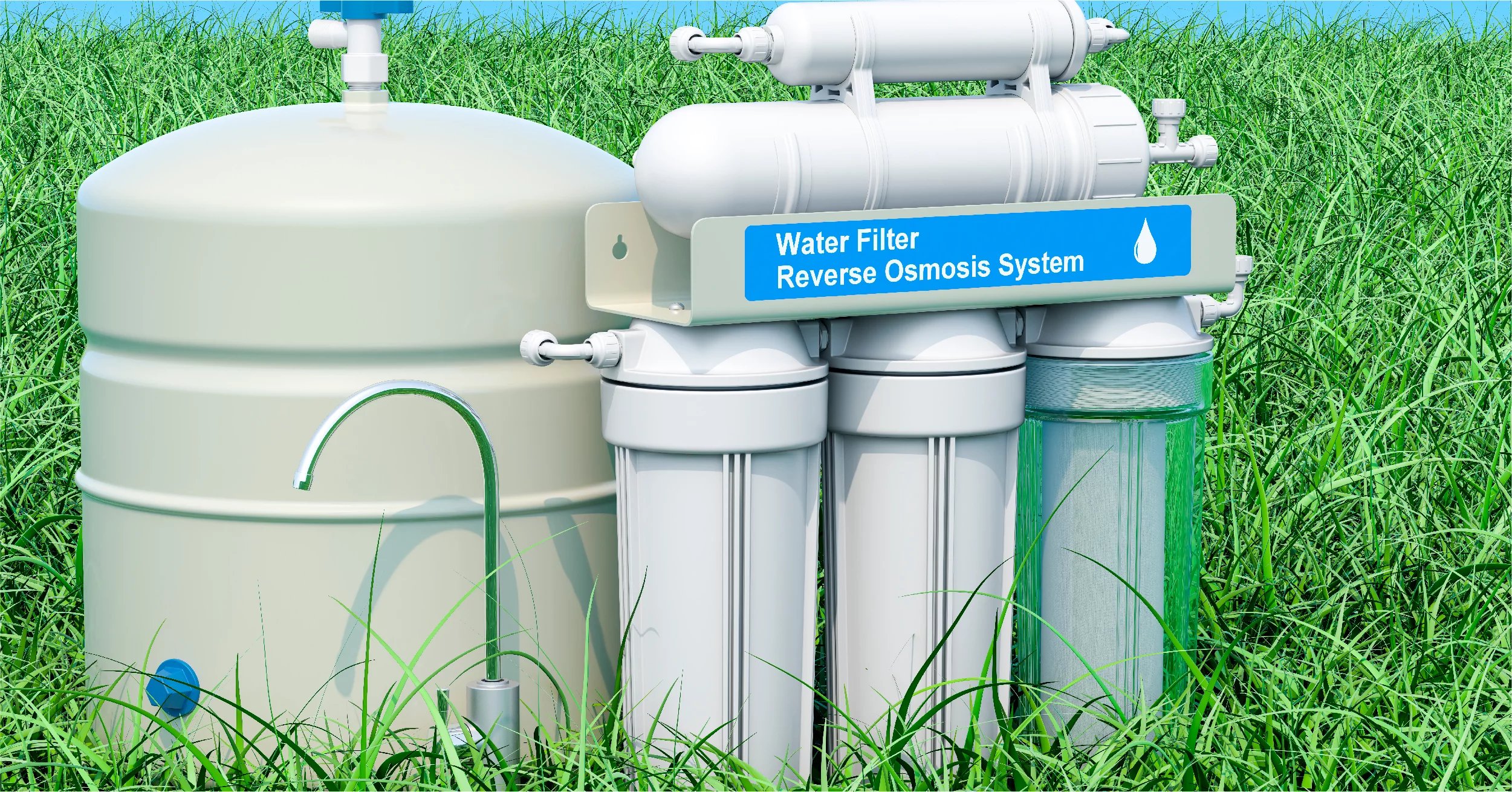
Reverse osmosis uses a semipermeable membrane to reduce many dissolved substances, including certain salts and metals. It can be helpful when testing identifies contaminants that an appropriately certified RO unit is designed to reduce.
However, no single filter removes everything. A basic sediment cartridge won’t reliably eliminate dissolved chemicals, and an ordinary carbon filter shouldn’t be assumed to make microbiologically unsafe water safe to drink.
Before buying, look for independently verified performance claims. A product that clearly identifies the contaminants it reduces is generally more useful than one making broad promises about delivering perfectly pure water.
When Water Treatment Goes Beyond Filtration
Sometimes, filtering particles or improving taste isn’t enough. Your household may have a specific issue that requires another approach.
Water treatment includes a wider range of processes designed to address particular water-quality problems. Depending on the source and test results, these may include softening, disinfection, reverse osmosis, or specialised media for reducing certain contaminants.
For example, a water softener can reduce calcium and magnesium through ion exchange, helping control scale on plumbing fixtures and heating elements. It doesn’t, however, reliably remove bacteria or every unwanted chemical.
Ultraviolet disinfection can inactivate many disease-causing microorganisms when the system is correctly installed and operated. Yet UV doesn’t remove dissolved salts or metals, and water may require pretreatment to reduce cloudiness that interferes with disinfection.
In some homes, a combination of technologies is the most sensible option. A sediment filter might protect the plumbing, a softener could address severe hardness, and a separate drinking-water unit could reduce a particular contaminant.
The important part is matching each technology to a demonstrated need. Installing several treatment devices without understanding your water can increase costs, maintenance demands, and wastewater production without delivering meaningful additional benefits.
How to Choose the Right System for Your Household
Start with a straightforward question: What exactly is wrong with your water?
If the main complaint is white scale on taps and appliances, measure hardness. If the water has a chlorine taste, investigate a suitable carbon filter. If testing reveals a specific dissolved contaminant, choose a system whose documented performance addresses that substance.
For drinking-water concerns, a qualified laboratory can help determine which tests are appropriate. Depending on local risks, these may include microbial contamination, nitrate, fluoride, arsenic, iron, or other relevant parameters. A total dissolved solids meter can provide a general measurement of dissolved material, but it cannot identify individual contaminants or establish that water is safe.
It’s also worth considering how much water your family uses. A small under-sink filter may suit a household that mainly wants better-tasting drinking water. A whole-house system may make more sense when the problem affects multiple outlets, although it needs appropriate sizing and installation.
Don’t overlook the practical details. Check the cost of replacement filters, availability of spare parts, installation requirements, water-pressure limitations, and the manufacturer’s maintenance recommendations. A reasonably priced system that is easy to maintain may be a better long-term choice than an expensive model with hard-to-find components.
And remember, more filtration stages don’t automatically mean better results. What matters is whether the equipment does the job you need it to do.
Keeping Your Water System Working Properly
Even a well-chosen system needs regular attention. Filters have limited service lives, membranes can become less effective, and disinfection equipment must be maintained according to its specifications.
Replace cartridges at the recommended intervals, clean household storage tanks, and keep drinking-water containers covered. If your water comes from a borewell, consider periodic testing because groundwater conditions can change over time.
Pay attention to sudden changes in taste, colour, or smell, too. These changes don’t always signal contamination, but they shouldn’t be ignored. Contact your water supplier or a qualified testing service if you suspect a problem.
Another point worth remembering: don’t assume treated water is automatically safe forever. A damaged filter, contaminated storage tank, or plumbing problem can affect water after it has passed through the treatment equipment.
Regular maintenance might not be the exciting part of owning a filtration system, but it’s what helps keep the system dependable.
Better Water Starts With Better Information
Choosing a household water system isn’t about purchasing the most advanced product available. It’s about understanding your supply and finding a solution that addresses the real problem.
Begin with reliable information, test when necessary, compare verified product capabilities, and consider long-term maintenance before making a decision. You may discover that a simple filter is enough. Alternatively, your results might point towards softening, disinfection, or a more specialised treatment system.
Either way, you’ll be making an informed choice instead of relying on guesswork or marketing claims.
Water is part of everyday life, and it deserves a little attention. Once you understand what’s coming through your tap, improving it becomes far less complicated—and you can feel more confident about the water your household uses every day.