Water is one of those things most people rarely think about until something changes. Maybe the dishes come out of the dishwasher with cloudy spots, the bathroom fixtures develop stubborn mineral deposits, or the water from the kitchen tap tastes different than expected. These little frustrations can be signs that your water quality deserves a closer look. For homeowners and business owners in Moorhead, Minnesota, understanding local water conditions is a practical first step toward making everyday water use more comfortable and reliable.
Water treatment isn’t simply about making water look clear. It’s about understanding what’s in the water, choosing suitable equipment, and maintaining that equipment so it continues to perform as expected. The right approach can protect plumbing, improve taste, and make daily routines a little easier.
Understanding the Water in Your Home
Water quality varies from one location to another, even within the same region. Groundwater sources may contain naturally occurring minerals, while municipal water systems treat their supplies to meet established safety standards. However, water that meets drinking water requirements can still cause problems with hardness, staining, odor, or taste.
Hard water is a common concern in many communities across the Upper Midwest. It contains dissolved minerals, particularly calcium and magnesium. These minerals aren’t usually a health concern, but they can leave scale inside pipes, build up on showerheads, and reduce the effectiveness of soap.
Other concerns may include iron staining, sediment, unpleasant odors, or specific contaminants that require targeted treatment. The important thing is not to assume every water problem has the same cause. A cloudy glass, for instance, doesn’t automatically mean water is unsafe to drink.
Testing helps separate guesswork from useful information. A professional water assessment can identify hardness levels and determine whether additional testing is appropriate for concerns such as iron, nitrate, or other contaminants. Once the results are available, selecting equipment becomes a much more straightforward process.
Why Water Testing Should Come Before Equipment
It’s tempting to purchase a filter after noticing an unusual taste or reading a few online reviews. Sometimes a basic filter is enough, but it won’t solve every water quality issue. Different systems are designed for different purposes, and choosing the wrong one can mean spending money without addressing the actual problem.
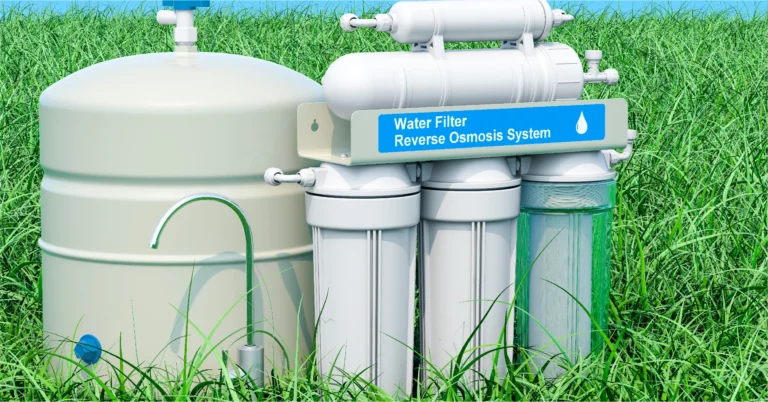
A water test provides a clearer picture of what needs attention. For example, a water softener is designed primarily to reduce hardness minerals. A sediment filter catches suspended particles, while activated carbon can help reduce certain substances that affect taste and odor. Reverse osmosis systems can reduce several dissolved contaminants, depending on the equipment and its certification.
No single system removes everything. That’s why a reliable provider of water treatment moorhead minnesota services should begin by understanding the water source, the property’s plumbing, and the concerns of the people using it.
Testing is also useful when water conditions change. A new well, plumbing repairs, flooding, or changes in taste and appearance may justify additional analysis. Private well owners should follow appropriate testing recommendations and consult local public health guidance about which contaminants to check.
Home Solutions That Fit Everyday Life
A water treatment system should solve a real problem without creating unnecessary complications. For some households, that means installing a water softener to reduce scale. For others, it may involve adding a drinking water filter at the kitchen sink or treating sediment before water reaches household appliances.
The best home solutions are selected around actual water quality results, household size, water usage, and maintenance preferences. A family that uses large amounts of water may need different equipment from a couple living in a smaller property. Available installation space and plumbing configuration matter, too.
Water softeners can help reduce mineral buildup on faucets, shower doors, and heating elements. They may also help soap lather more effectively and make laundry feel softer. Still, softening isn’t the same as disinfection, and it shouldn’t be treated as a substitute for drinking water filtration when a specific contaminant is present.
For drinking water, a point-of-use filter may be a sensible option. Reverse osmosis can be useful when testing identifies contaminants that the selected system is certified to reduce. Before purchasing one, check its performance claims, replacement filter costs, and maintenance requirements.
It’s worth thinking about convenience as well. Some systems require regular salt refills, while others need cartridge changes or periodic servicing. An affordable system that fits your routine is often a better long-term choice than a complicated setup that rarely receives proper maintenance.
Commercial Water Treatment Requires a Different Approach
Businesses depend on water for more than drinking and handwashing. Restaurants use it for food preparation, beverage equipment, and cleaning. Offices rely on it for restrooms and break rooms, while manufacturing and service businesses may need water that meets particular operational requirements.
In these settings, water quality problems can affect equipment performance, maintenance costs, and customer experience. Scale buildup may interfere with heating systems, while certain minerals can affect product consistency or leave visible marks on glassware and fixtures.
Well-planned commercial solutions start with the intended use of the water. A restaurant may need filtration for beverage equipment, while a larger facility might require a combination of softening, sediment filtration, and specialized treatment. Businesses with particular process requirements should work with qualified professionals to identify suitable specifications.
System capacity is especially important. Equipment that performs well in a small household may struggle to meet a business’s peak demand. A professional assessment should consider flow rates, daily consumption, operating schedules, and the consequences of an unexpected system failure.
Maintenance planning matters just as much as installation. Scheduled inspections, filter replacements, and performance checks can help reduce disruptions and make operating expenses more predictable. For businesses that cannot afford interruptions, preventive maintenance is a sensible investment.
Choosing the Right Water Treatment Provider
Finding a suitable water treatment company involves more than comparing the price of two machines. Look for a provider willing to explain test results, discuss realistic options, and describe the benefits and limitations of each recommendation.
Ask whether the proposed equipment is certified for the specific reduction claims being made. Independent certifications from organizations such as NSF or the Water Quality Association can help consumers evaluate product performance, although the relevant standard depends on the treatment purpose.
You should also ask about installation, warranties, replacement parts, service availability, and recurring costs. A system’s initial price is only one part of the total expense. Replacement filters, salt, electricity, and professional servicing can affect its long-term value.
Be cautious of dramatic claims that your water is dangerous without evidence. Municipal water suppliers publish water quality information, and independent testing can help clarify concerns. A trustworthy professional should explain the findings without using fear to pressure you into an immediate purchase.
Keeping Your System Working Properly
Even a well-chosen treatment system needs attention. Filters become less effective when they exceed their recommended service life, and softeners may require periodic checks to ensure they regenerate correctly. Some systems also need sanitizing, membrane replacement, or adjustments based on changing water conditions.
Follow the manufacturer’s maintenance schedule and keep records of filter changes and service visits. If water taste changes suddenly, pressure drops, or staining returns, don’t automatically assume the equipment has failed. The underlying water conditions may have changed, or a component may simply need attention.
For private wells, routine water testing remains important even when treatment equipment is installed. Treatment systems can reduce specified contaminants, but they don’t eliminate the need to verify that the water remains suitable for its intended use.
A Practical Investment in Better Water
Good water treatment begins with a simple question: what problem are you trying to solve? Once you know the answer, it’s easier to choose a system that fits your home or business rather than paying for features you may never need.
For Moorhead property owners, a thoughtful combination of water testing, appropriate equipment, and consistent maintenance can make a meaningful difference. Cleaner-tasting drinking water, less mineral buildup, and better protection for water-using equipment are worthwhile benefits when the system is matched to the actual conditions.
Water quality isn’t something you have to figure out alone. Start with reliable information, ask clear questions, and take the time to compare practical options. The result should be more than a piece of equipment under the sink or in the utility room. It should be a water treatment plan that works quietly in the background, supporting the everyday comfort and reliability you expect from your water.