Water is one of those things we barely think about until something feels off. Maybe the coffee tastes a little metallic. Maybe your shower leaves your skin dry and tight. Or perhaps there’s that stubborn white scale around the tap that keeps coming back no matter how often you clean it. Small signs, yes, but they usually point to a bigger story happening behind the scenes.
Good water treatment isn’t just about installing a filter and calling it a day. It’s about understanding what’s actually in the water, how it affects your home or business, and which solution makes sense for real daily use. That sounds obvious, but it’s where many people get caught out. They buy a system online, fit it quickly, and then wonder why the results are only “sort of” better.
The Problem With Guessing About Water Quality
Water can look perfectly clear and still carry minerals, chlorine, sediment, iron, hardness, unpleasant odours, or other unwanted elements. In some areas, water quality changes with seasons, supply sources, plumbing age, and even local maintenance work. So, guessing is rarely a smart plan.
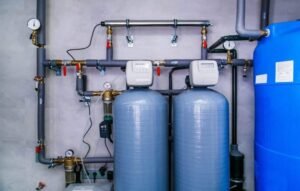
A proper water treatment approach usually starts with testing. Not a dramatic process, not some overly technical lab mystery, just a clear look at what your water contains. Once that’s known, it becomes much easier to choose between softeners, filtration systems, reverse osmosis units, UV treatment, or a combination of solutions.
This is where trained water treatment experts make a real difference. They don’t just sell a box with a few pipes attached. They look at the actual problem, explain it in plain language, and help match the system to the property, the people using it, and the long-term maintenance needs.
Better Technology, But Still Practical
Modern water treatment has come a long way. Filters are more efficient, softeners are smarter, and monitoring systems can now give clearer information about performance and usage. For families, that means fewer surprises. For businesses, it can mean protecting equipment, improving product consistency, and reducing downtime.
But here’s the thing: technology only helps when it solves the right problem. A high-end system installed in the wrong place, or used for the wrong water issue, is just an expensive disappointment. The goal should never be to overcomplicate things. The goal is cleaner, safer, better-performing water with a system that fits naturally into everyday life.
A strong provider will combine practical knowledge with best-in-class technological innovation, using advanced systems where they genuinely add value instead of pushing unnecessary upgrades. That balance matters. Nobody wants to pay for features they’ll never use, but nobody wants outdated equipment either.
What Good Water Treatment Changes at Home
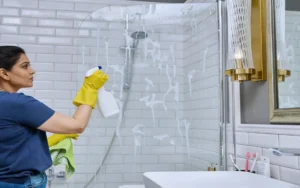
The benefits can be surprisingly personal. Softer water may make showers feel better. Cleaner drinking water can encourage people to drink more throughout the day. Reduced scale can help appliances last longer. Even laundry can feel different when water quality improves.
Then there’s taste. Anyone who has moved from poor-tasting tap water to properly treated water knows the difference immediately. Tea tastes cleaner. Ice cubes don’t carry that odd smell. Cooking feels a little fresher too, especially with soups, pasta, and anything where water is part of the flavour.
These small improvements add up. A home doesn’t suddenly become perfect because of better water, of course, but daily comfort improves in a quiet, steady way. And sometimes that’s exactly what good home upgrades should do — work in the background without demanding attention.
Why Businesses Pay Attention Too
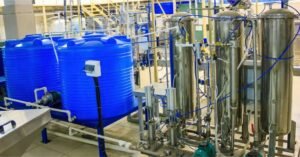
Water treatment isn’t only a household concern. Restaurants, cafés, hotels, healthcare facilities, offices, manufacturing spaces, and laboratories often depend on consistent water quality. Poor water can affect taste, hygiene, equipment performance, and customer satisfaction.
In a café, for example, water influences the flavour of coffee and tea. In a hotel, hard water can shorten the life of boilers, laundry machines, and bathroom fittings. In industrial settings, untreated water can create scale, corrosion, and avoidable maintenance costs. It’s not glamorous, but it’s important.
For businesses, the best system is usually the one that quietly protects operations. It needs to be reliable, easy to maintain, and properly sized. Too small, and it struggles. Too large, and money is wasted. This is why expert guidance is not just helpful; it’s often the difference between a good investment and a frustrating one.
Maintenance Shouldn’t Be an Afterthought
Even the best water treatment system needs care. Filters require replacement, salt levels may need checking, membranes eventually wear out, and UV lamps do not last forever. Ignoring maintenance is a bit like buying a good car and never changing the oil. It might run for a while, but problems will come.
A sensible maintenance plan keeps performance steady. It also helps spot small issues before they become costly repairs. Many homeowners and business owners appreciate having scheduled service because it removes the guesswork. No sticky notes on the fridge. No sudden panic when water pressure drops or taste changes.
Choosing a System That Actually Fits
The right water system depends on several things: water test results, number of users, property size, plumbing layout, daily water demand, and budget. There is no single perfect solution for everyone, despite what some adverts suggest.
A family with hard water may need a water softener and a drinking water filter. A rural property using well water may need sediment filtration, iron removal, or UV disinfection. A business with specialist equipment may require high-purity treatment. The details matter, and they’re worth getting right the first time.
It’s also worth thinking about future needs. Will the household grow? Is the business expanding? Are water bills already high? A good system should not only solve today’s problem but also make sense for the next several years.
A Cleaner Future Begins at the Tap
At its heart, water treatment is about trust. You turn on the tap and expect the water to be useful, safe, pleasant, and dependable. When it isn’t, life becomes a little more inconvenient than it should be.
Investing in better treatment is not about chasing perfection. It’s about making a practical improvement that supports health, comfort, and long-term value. With proper testing, honest advice, smart equipment, and ongoing care, households and businesses can enjoy healthy clean water without making the process feel complicated.
And really, that’s the best kind of solution — one that works quietly, does its job well, and lets you get on with the rest of your day.