Water has a funny way of becoming invisible in our daily lives. We depend on it from the moment we wake up until we head to bed, yet most of us rarely stop to think about what’s actually flowing through our taps. If it looks clear and doesn’t smell unusual, we usually assume everything is fine.
Most of the time, that’s understandable.
But clear water isn’t always the complete story. Minerals, chlorine, sediment, naturally occurring compounds, and other substances can exist without changing the appearance of the water. Over time, they may affect the taste of your coffee, the lifespan of your appliances, the condition of your plumbing, or even how your skin feels after a shower.
Learning more about your home’s water isn’t about expecting bad news. It’s about replacing assumptions with facts and making decisions that protect your family and your investment.
Water Sources Matter More Than Many People Realize
Not every household receives water from the same source.
Some homes rely entirely on municipal water systems, while others depend on private wells. Even homes located within the same community can experience different water characteristics because of aging plumbing, seasonal changes, or variations in local infrastructure.
That’s why two neighbors may notice completely different issues. One family struggles with hard water stains while another deals with chlorine taste or iron deposits.
Understanding where your water comes from is the first step toward understanding how it behaves inside your home.
The Small Changes We Often Ignore
Water quality problems rarely arrive overnight.
Instead, they creep in quietly.
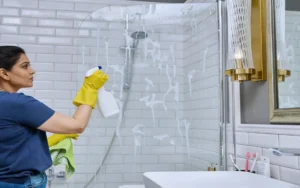
You may notice that your showerhead develops white buildup more quickly than it used to. Glassware comes out of the dishwasher with cloudy spots. Soap doesn’t lather as easily, or freshly washed towels feel rough instead of soft.
Sometimes coffee tastes slightly different. Sometimes there’s a faint odor after the tap has been unused overnight.
These changes are easy to dismiss because they happen gradually.
Still, they’re often signs that your water deserves a closer look before small inconveniences become expensive plumbing or appliance problems.
Why city water testing Is Still Important
Many homeowners believe municipal water never needs to be tested because it already meets public safety standards.
While municipal treatment facilities work hard to provide safe drinking water, conditions can still change as water travels through local distribution systems and household plumbing.
That’s one reason city water testing continues to be valuable.
Testing can identify water hardness, chlorine levels, sediment, pH balance, and other characteristics that affect both water quality and household systems. Even if everything falls within acceptable ranges, homeowners gain confidence knowing exactly what they’re working with rather than relying on assumptions.
Knowledge always makes better decisions possible.
Private Wells Need Regular Attention
Homes supplied by wells face a different set of responsibilities.
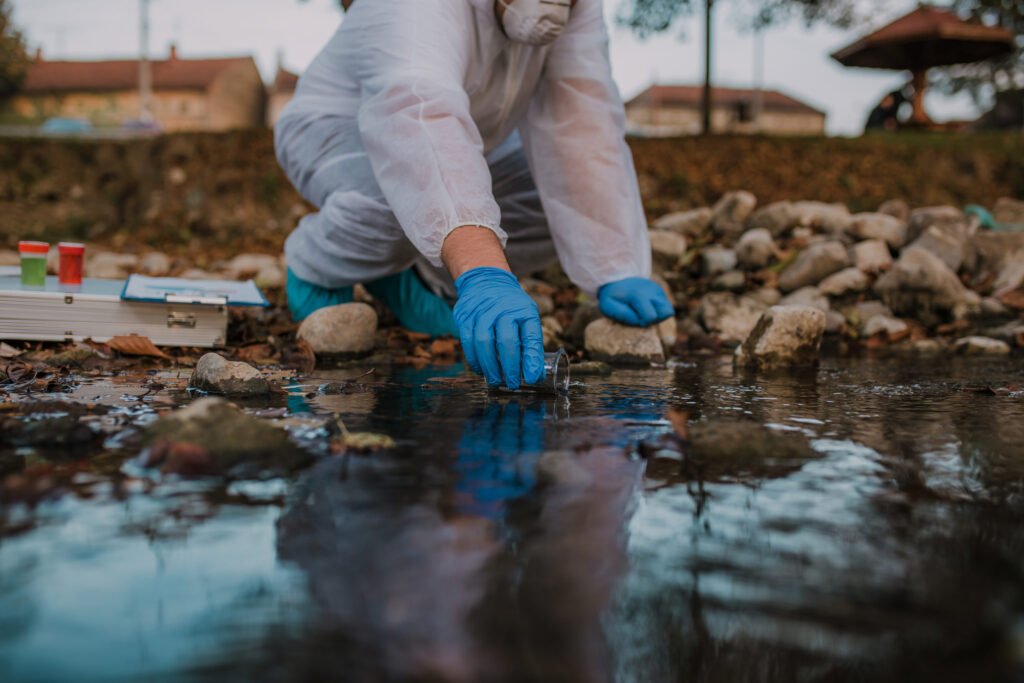
Unlike municipal systems that undergo routine public monitoring, private wells place testing responsibility directly on the homeowner. Groundwater conditions can change because of seasonal rainfall, nearby construction, agricultural activity, or naturally occurring minerals beneath the surface.
That’s why regular well water testing is considered one of the smartest preventative maintenance steps well owners can take.
Routine evaluations help detect changes before they create larger concerns. They also provide peace of mind that the water your family depends on every day continues meeting your expectations for quality and safety.
Waiting until water develops an obvious smell or taste often means the problem has already been present for quite some time.
Water Quality Influences More Than Drinking
People naturally focus on drinking water first, but water touches almost every part of a home.
Your dishwasher, washing machine, refrigerator, water heater, coffee maker, shower, sinks, and plumbing system all rely on the same water supply.
Hard water minerals gradually accumulate inside appliances, forcing them to work harder. Sediment may reduce efficiency, while chlorine and other compounds can influence taste and odor throughout the house.
Improving water quality often leads to cleaner dishes, softer laundry, brighter fixtures, smoother skin, and better-performing household equipment.
They’re not dramatic overnight transformations.
Instead, they’re the kind of quiet improvements people begin appreciating after living with them for a while.
Accurate Testing Prevents Costly Guesswork
Walk through any home improvement store and you’ll find shelves filled with filters promising healthier water.
Some are excellent products.
Others may solve only a fraction of the actual issue.
Without proper testing, homeowners often purchase equipment based on advertisements instead of actual water conditions. That approach frequently results in unnecessary spending or incomplete solutions.
Testing first removes the uncertainty.
It helps ensure every recommendation is based on evidence rather than marketing claims or internet opinions.
Why expert water analysis Makes a Difference
Collecting water samples is only part of the process.
Understanding what the results actually mean is equally important, which is where expert water analysis provides real value.
Experienced professionals don’t simply hand homeowners a report filled with technical numbers. They explain how water characteristics affect plumbing, appliances, household comfort, and long-term maintenance costs.
More importantly, they recommend solutions that match the home’s specific needs.
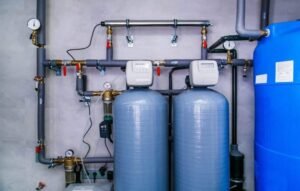
Some households benefit from whole-house filtration systems. Others require water softeners, reverse osmosis systems, or sometimes no additional treatment at all.
The right recommendation should always fit the water—not the other way around.
Prevention Is Always Easier Than Repair
Think about the routine maintenance most homeowners already perform.
Cars receive regular oil changes before engines fail. Heating systems are serviced before winter. Roofs are inspected before leaks develop.
Water deserves the same proactive attention.
Testing your home’s water today may help extend appliance life, reduce plumbing repairs, improve energy efficiency, and protect fixtures from unnecessary wear over the coming years.
It’s a relatively small investment that often delivers long-term rewards.
Better Water Begins with Better Information
At its core, understanding water quality isn’t about fear or complicated technology.
It’s about confidence.
Knowing what’s flowing through your home’s plumbing allows you to make informed decisions that protect your family’s comfort, your home’s systems, and your long-term maintenance budget. Whether your testing reveals excellent water quality or identifies opportunities for improvement, you’ll have reliable information guiding every next step.
Water quietly supports nearly every part of daily life. Taking the time to understand it today can lead to healthier habits, better-performing appliances, lower maintenance costs, and greater peace of mind for years to come. Sometimes the smartest home improvement starts with something you can’t even see—it starts with knowing your water better.