Water has a funny way of becoming invisible. We turn on the faucet without thinking, fill a kettle, jump into the shower, and expect everything to work exactly as it did yesterday. But when something changes—a metallic taste, soap that refuses to lather, or mysterious white spots on clean dishes—we suddenly realize how much our daily comfort depends on water quality.
The truth is, most homes deal with some form of water issue. Sometimes it’s hard water loaded with minerals. Other times it’s sediment, chlorine, or impurities that affect taste and odor. Whatever the cause, ignoring those little warning signs can lead to bigger inconveniences over time.
Fortunately, improving your home’s water doesn’t have to feel overwhelming. A little understanding goes a long way toward making smarter decisions.
Water Problems Often Build Up Quietly
Unlike a burst pipe or leaking faucet, poor water quality usually develops in subtle ways. You may notice your coffee tastes slightly different. Your clothes don’t feel as soft after laundry, or your shower leaves your skin feeling tight instead of refreshed.
Because these changes happen gradually, many homeowners assume they’re simply part of normal living. In reality, your water could be telling you that something needs attention.
Mineral buildup, aging plumbing, and untreated water all contribute to problems that slowly affect appliances, plumbing fixtures, and even your daily routine.
When a Softener Starts Showing Signs of Trouble
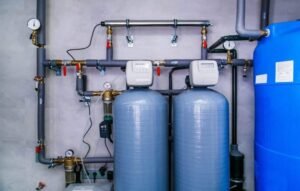
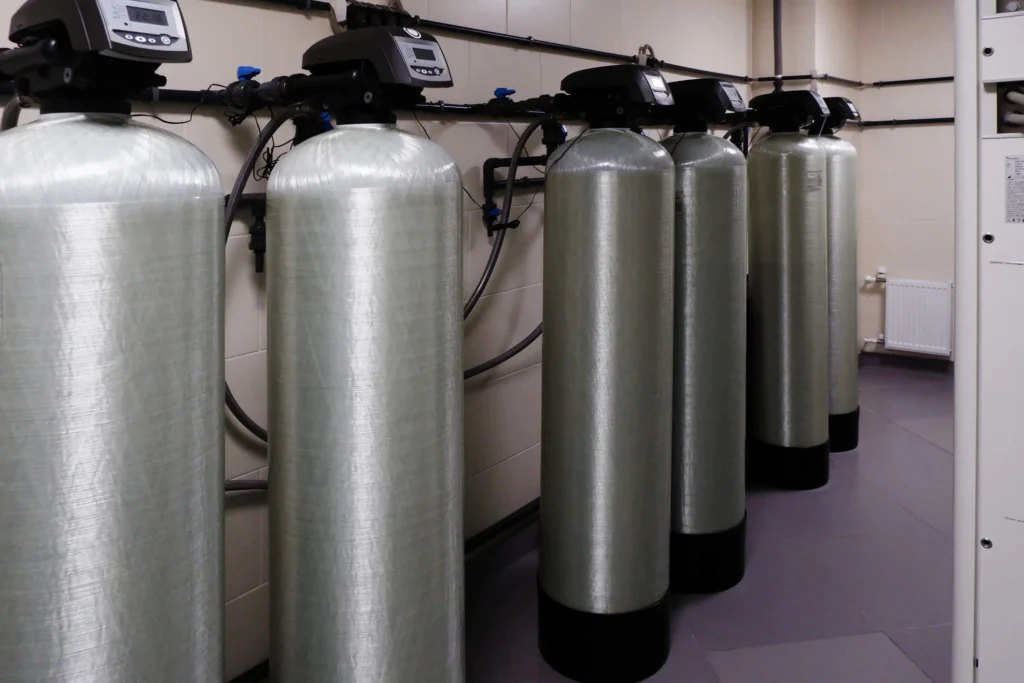
A water softener is designed to remove excess hardness minerals before they circulate through your home’s plumbing. Like any mechanical equipment, though, it requires occasional maintenance.
If you’re seeing scale buildup return, noticing reduced water pressure, or finding that soap isn’t working like it used to, your system may not be performing as efficiently as before.
Scheduling professional water softener repair early can often prevent larger problems down the road. Small issues such as clogged valves, worn seals, or regeneration failures are usually much easier—and less expensive—to fix before they lead to complete system failure.
Waiting until the equipment stops working entirely often means higher repair costs and unnecessary inconvenience.
Choosing the Right Treatment for Your Water
Every home’s water supply is different. Municipal water has different characteristics than well water, and even neighboring communities may experience completely different water conditions.
That’s why there’s no universal solution.
Some households only need sediment filtration, while others benefit from advanced softening systems or specialized treatment equipment. Before purchasing anything, it’s worth having your water professionally tested.
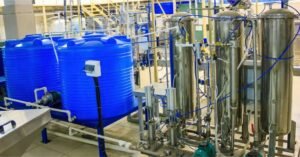
Modern water conditioners are available in several styles, each designed to solve specific water challenges. Some reduce scale formation without using salt, while others combine filtration and conditioning into one integrated system.
Choosing equipment based on actual water quality—not marketing claims—usually delivers the best long-term results.
What’s Actually Flowing Through Your Pipes?
Many people assume clear water automatically means clean water. Unfortunately, appearances don’t tell the whole story.
Depending on your location, water may contain chlorine, sediment, iron, sulfur compounds, dissolved minerals, or other naturally occurring substances. Older plumbing systems can sometimes introduce additional particles before water reaches your faucet.
While municipal utilities follow strict safety standards, homeowners often want extra protection against unwanted contaminants that affect taste, odor, or overall water quality.
Water testing provides valuable insight into what’s present and helps determine whether additional treatment makes sense for your household.
Small Water Problems Can Become Expensive
It’s easy to overlook mineral deposits forming inside appliances because they happen slowly.
A water heater gradually becomes less efficient. Dishwasher components wear faster. Faucets develop stubborn white stains. Coffee makers require frequent descaling, and washing machines may not perform quite as well after years of exposure to hard water.
None of these issues seem dramatic individually, yet together they increase maintenance costs and shorten the lifespan of expensive household equipment.
Addressing water quality early often helps protect those investments for years to come.
Better Water Improves Everyday Living
One of the surprising things about improving water quality is how many little details begin to change.
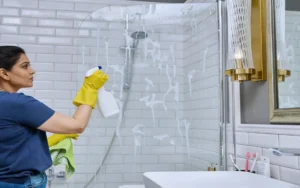
Soap rinses off more easily. Towels feel softer after washing. Shower doors stay cleaner longer. Drinking water tastes fresher, and beverages like tea or coffee often have a cleaner flavor profile.
Even simple tasks become a bit more enjoyable.
People sometimes expect dramatic transformations, but most homeowners simply notice that everyday life feels… easier. Less scrubbing, fewer stains, and fewer maintenance headaches quietly become the new normal.
Maintenance Is Easier Than Many People Think
Some homeowners hesitate to install treatment equipment because they assume maintenance will be complicated.
Fortunately, today’s systems are designed with convenience in mind.
Routine care usually involves replacing filters on schedule, checking system settings occasionally, and arranging periodic professional inspections if recommended by the manufacturer. Staying consistent with maintenance helps equipment perform efficiently while extending its service life.
Ignoring maintenance, on the other hand, can reduce effectiveness and eventually lead to avoidable repairs.
Investing in Your Home’s Long-Term Comfort
Home improvements aren’t always about visible upgrades like new flooring or remodeled kitchens. Some of the most valuable investments happen behind the scenes.
Clean, properly treated water supports plumbing, protects appliances, improves cleaning performance, and contributes to a more comfortable home environment every single day.
Rather than reacting after problems become obvious, proactive water treatment allows homeowners to solve issues before they grow into expensive repairs.
Final Thoughts
Water touches nearly every part of daily life, yet it’s often one of the last things homeowners think about improving. From morning showers and cooking meals to washing clothes and protecting appliances, the quality of your water quietly shapes your home’s comfort and efficiency.
Whether your goal is reducing hard water issues, improving taste, extending appliance life, or simply creating a healthier home, understanding your water is the best place to begin. With the right testing, proper equipment, and regular maintenance, you’ll enjoy benefits that reach far beyond the kitchen sink.
Sometimes the smartest home improvement isn’t the one everyone notices—it’s the one you experience every single day without even thinking about it.