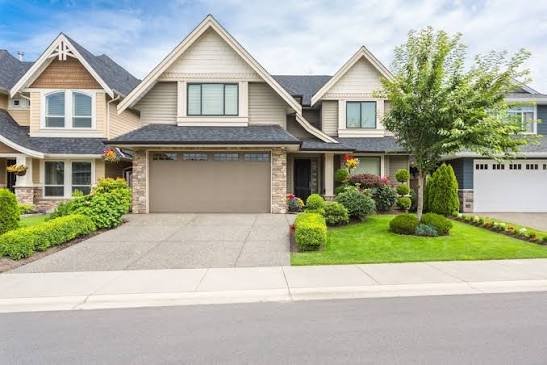
A new garage door can completely change the appearance of your home. So it makes sense that color, windows, panel design, and material often get most of the attention. However, there is another part of your property worth looking at before choosing a door: your driveway.
Your driveway determines how vehicles approach the garage, how water moves around the entrance, and how the bottom of the door meets the garage floor. Its slope, grade, drainage, and condition can all influence decisions about a new door.
If you consider garage door installation in Snohomish, these details deserve extra attention. Snohomish County’s varied residential lot layouts can expose problems that are easy to overlook when selecting a door from a brochure. Looking at the driveway first can help you choose a garage door that works with your property, not just one that looks good from the street.
What Can Your Driveway Tell You Before Garage Door Installation?
An experienced garage door installer does not look only at the width and height of the garage opening. The surrounding property can reveal just as much about what the installation requires.
Walk from the street toward your garage and pay attention to what happens as you approach the door. Does the driveway rise sharply? Does it slope toward the garage? Does the pavement meet the garage floor evenly? Is there a visible gap beneath the existing door?
These details can influence:
- Vehicle clearance
- Bottom seal performance
- Water management
- Garage door measurements
- Threshold conditions
- Door alignment
- Hardware configuration
- Everyday accessibility
A professional pre-installation evaluation can identify these conditions before a new door arrives.
That matters because even a high-quality residential garage door may perform poorly if the installation does not account for the property around it.
How Does Driveway Slope Affect Your Garage Door Choice?
Not every Snohomish County home has a perfectly level approach to the garage.
Some properties have relatively flat driveways, while others sit on lots where the driveway rises or falls noticeably between the street and garage. Even a change in grade close to the garage entrance deserves attention.
Imagine backing a pickup truck or SUV out of a garage where the driveway immediately drops away. Vehicle positioning and clearance can feel very different compared with a garage that opens onto a level driveway.
A steep approach may also affect how close a vehicle can comfortably sit to the garage while the door operates.
Before choosing a new door, an installer can evaluate the driveway grade, garage entrance, overhead clearance, and vehicle clearance together. This provides a much more useful picture than measuring the garage opening alone.
The goal is not simply to make the new garage door fit. It should work comfortably with the way you use the property every day.
Could an Uneven Driveway Create Problems at the Bottom of the Door?
Look closely at where your driveway, garage threshold, and garage floor meet.
Concrete and asphalt surfaces can change over time. Settlement, cracking, patching, or previous construction work may leave the entrance slightly uneven.
The bottom of a garage door relies on a weather seal to create a practical barrier along the floor. If the surface underneath varies significantly from one side to the other, the seal may not make consistent contact.
You might notice:
- Daylight beneath one corner
- Leaves or debris entering the garage
- Water appearing near the threshold
- Drafts around the bottom edge
- An uneven-looking bottom seal
Simply ordering a new door does not automatically correct the underlying surface condition.
This is where hands-on installation experience matters. A technician should examine whether the issue comes from the existing door, the bottom seal, the garage floor, the driveway-to-garage transition, or a combination of conditions.
Sometimes the solution involves proper weather sealing. In other situations, the property itself may require attention.
Why Does Driveway Drainage Matter in Snohomish County?
Water deserves special consideration when planning a garage door project in the Pacific Northwest.
During rainy periods, watch what happens to water on your driveway. Ideally, the driveway and surrounding drainage direct runoff away from the garage entrance. If the grade sends water toward the door instead, puddling may develop near the threshold.
A garage door is designed to close an opening. It is not a substitute for proper property drainage.
That distinction matters.
If rainwater regularly moves toward the garage, installing a new door without identifying the drainage pattern may leave the homeowner disappointed when water continues appearing near the entrance.
When evaluating garage door installation, homeowners should consider the door, bottom seal, threshold, driveway grade, and rainwater runoff as connected parts of the entrance.
A garage door professional can identify door-related sealing concerns, while significant drainage or concrete issues may require evaluation by the appropriate specialist.
Recognizing that boundary is part of making a responsible recommendation.
How Do Driveway Conditions Affect the Garage Door Entrance?
Your driveway does not necessarily determine which garage door material you should buy, but it can influence how the entire entrance needs to be evaluated.
Start by looking at the transition from the driveway to the garage. A driveway may slope toward the opening, flatten near the threshold, or change direction as it approaches the garage. Those details can affect how water moves, how vehicles approach the opening, and how consistently the bottom seal contacts the garage floor.
This is especially important if you notice water, debris, or daylight entering beneath the existing door. Replacing the door without identifying the reason for the gap may address the symptom without addressing the underlying condition.
The entrance should therefore be considered as a connected system:
driveway → garage threshold → garage floor → bottom door seal
Each part has a different function. The garage door and its seal help close the opening, while the driveway and surrounding surfaces determine how vehicles and water reach that opening.
If the driveway or concrete has settled significantly, a garage door installer may be able to identify the condition but may recommend a concrete or drainage specialist for corrective work. Knowing where the garage-door installation ends and a property-related issue begins can help homeowners avoid expecting a new door to solve a problem it was never designed to fix.
Why Should Vehicle Clearance Be Part of the Conversation?
Homeowners often choose garage doors while thinking about the house. They should also think about the vehicles using the driveway.
Consider a Snohomish County household with a full-size pickup, an SUV, and a smaller commuter vehicle. The way each vehicle approaches and leaves the garage can differ, especially on a sloped driveway.
Roof racks, cargo boxes, lifted vehicles, long truck beds, and tight parking areas can make clearance more important.
The garage door itself operates overhead, but the entire system includes tracks, rollers, springs, lift cables, and an automatic garage door opener. The interior configuration needs enough room to function safely while preserving practical space for vehicles and storage.
Professional measurements should therefore consider more than the door opening.
Installers often evaluate headroom above the opening, side room, track placement, ceiling obstructions, opener positioning, and the way the garage is actually used.
That broader evaluation can prevent an attractive door from becoming an everyday inconvenience.
Can Existing Garage Door Hardware Be Reused?
Replacing the door does not automatically mean replacing every component, but homeowners should not assume that existing hardware is compatible with the new system either.
The important question is whether the current components are correctly matched to the replacement door and remain in suitable condition.
For example, springs are selected according to the door’s weight and operating requirements. Tracks and rollers also need to work with the door’s construction and configuration. An existing automatic opener may be reusable in some situations, but its compatibility should be confirmed rather than assumed.
This is another reason to have the existing system evaluated before ordering a replacement.
A useful garage door service inspection should distinguish between:
- Components that are still suitable for reuse
- Components showing normal wear
- Components that are incompatible with the new door
- Components that should be replaced for reliable operation
That approach can help homeowners avoid two opposite mistakes: replacing usable equipment unnecessarily or keeping old components that are no longer appropriate for the new door.
What Should an Installer Check Before Replacing the Door?
A garage door should not be selected from the opening dimensions alone. Before ordering a replacement, the installer should look at the conditions that determine how the door will actually operate.
That assessment can include the opening width and height, available headroom, side room, ceiling obstructions, existing track configuration, spring system, opener compatibility, and the condition of the garage floor and threshold.
The driveway deserves attention too.
If the driveway slopes sharply near the garage, the installer can consider how vehicles approach the opening and whether the transition creates clearance or sealing concerns. If water collects near the threshold, the installer can determine whether the problem appears related to the door seal or whether the surrounding grade and drainage need separate attention.
Existing hardware should also be evaluated rather than automatically reused. A replacement door may have different weight or operating requirements, so the existing springs, tracks, rollers, and opener need to be compatible with the new system.
This type of pre-installation assessment is valuable because it identifies potential problems before the new door is ordered. It can also clarify which issues can be addressed as part of the garage-door project and which may require another qualified professional.
What Should You Check Before Ordering a New Garage Door?
Before choosing a replacement door, walk the entire route from the street to the garage opening. The goal is to identify conditions that could affect installation, sealing, clearance, or everyday use.
Check these areas:
- Driveway grade: Does the driveway rise or fall significantly near the garage?
- Water flow: After rain, does water move toward or away from the garage?
- Threshold: Is the transition between the driveway and garage floor even?
- Bottom seal: Is there daylight or a visible gap beneath the existing door?
- Vehicle clearance: Can your tallest vehicle approach and enter the garage comfortably?
- Headroom: Are there lights, storage racks, beams, or other obstructions above the opening?
- Door operation: Does the current door open and close evenly?
- Existing equipment: Are the springs, rollers, tracks, or opener showing signs of wear?
- Garage use: Will the new door need to accommodate storage, a workspace, or an attached living area?
- Future needs: Could a different vehicle or storage arrangement change the clearance requirements later?
You do not need to diagnose these conditions yourself. The purpose of the walkthrough is to identify questions worth discussing with the installer before the replacement door is ordered.
That simple step can prevent a homeowner from choosing a door that fits the opening but does not work well with the property around it.
When Is Garage Door Service Worth Scheduling Before Replacement?
You may already know that you want a new door because the existing one looks outdated. In other cases, repeated operational problems drive the decision.
If the door shakes, closes unevenly, leaves a large bottom gap, struggles to move smoothly, or repeatedly needs adjustments, scheduling garage door service can provide useful information before you commit to replacement.
An inspection can help separate problems associated with the door from conditions involving the opener, tracks, springs, threshold, or surrounding structure.
That distinction helps you make a better-informed investment.
For homeowners planning garage door installation in Snohomish, a thorough evaluation can also account for local property conditions, garage usage, driveway characteristics, and Pacific Northwest weather exposure.
Look Beyond the Garage Door Before You Choose One
A garage door may occupy the opening, but it does not operate in isolation. Your driveway, garage floor, drainage, vehicle needs, available clearance, hardware, and daily routine all influence how well the finished system works.
That is why choosing a new garage door should involve more than comparing colors and panel styles.
Walk your driveway. Look at the slope. Check where water travels. Examine the threshold. Think about the vehicles you use today and how you may use the garage in the future. Those observations can help turn a simple product choice into a better long-term decision.
Choose a Garage Door That Fits the Property, Not Just the Opening
The garage door opening is only one part of an installation. The driveway grade, garage floor, threshold, drainage pattern, vehicle clearance, available headroom, and existing hardware can all influence how well the finished system performs.
Before ordering a new door, take a few minutes to look at the entire garage entrance. Notice where water travels, how vehicles approach the opening, whether the bottom seal makes consistent contact, and whether the existing equipment shows signs of wear.
Then have the installation conditions evaluated professionally.
For homeowners considering garage door installation in Snohomish, that extra step can help identify potential issues before they become installation-day surprises. More importantly, it helps ensure the new door is selected for the way the property actually works. It is not simply for how the door looks in a catalog.