Most people don’t think much about their water until it starts acting strange. Maybe the shower leaves your skin feeling dry. Maybe the coffee tastes a little flat. Maybe the dishwasher keeps leaving those cloudy marks on glasses, no matter which detergent you try. It’s easy to blame the soap, the appliance, or even the weather. But often, the real issue is right there in the water itself.
Clean, comfortable water can change the way a home feels. Not in a loud, dramatic way, but in those small daily moments that matter more than we admit. A better shower. Brighter laundry. Cleaner dishes. Drinking water that doesn’t make you pause before taking a sip.
Why water problems are easy to miss
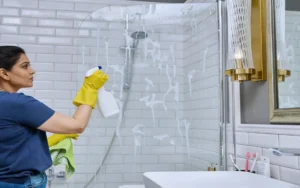
Water issues don’t always show up all at once. They build slowly. A little scale around the faucet. A bit of residue on the shower door. Clothes that feel rough after washing. Hair that never quite feels clean. Over time, these small signs become normal, even though they’re not something homeowners should have to deal with forever.
That’s why a free water analysis can be such a helpful first step. Instead of guessing what’s wrong, you get a clearer look at what’s actually in your water. Hardness, chlorine, iron, sediment, odor, and taste issues can all point to different solutions. Testing takes the mystery out of it.
Every home has different water needs
One of the biggest mistakes people make is assuming all water treatment systems do the same thing. They don’t. A softener helps with hard water minerals. A filtration system may reduce chlorine taste or sediment. Reverse osmosis can improve drinking water at a specific tap. Well water may need a completely different approach than municipal water.
Good residential water treatment isn’t about buying the biggest or most expensive system. It’s about matching the right solution to the actual problem. A family of five with heavy water use will have different needs than a couple in a small home. A house with old plumbing may face different concerns than a newer build. Details matter.
What hard water does behind the scenes
Hard water is common, and it can be surprisingly stubborn. The minerals in it can cling to plumbing, water heaters, fixtures, and appliances. You might not see all the damage right away, but the effects often show up through reduced efficiency, frequent cleaning, and shorter appliance life.
Think about your water heater, quietly working every day. If scale builds up inside it, the system may need more energy to heat water. Your dishwasher may struggle to rinse properly. Your washing machine may need extra detergent to get clothes feeling clean. It’s not one big problem, more like a bunch of little ones stacked together.
Taste and smell matter too
Water should feel safe and pleasant to drink. When it smells like chlorine, tastes metallic, or carries a musty odor, people naturally start avoiding it. That usually means more bottled water, more plastic waste, and more money spent on something the home should already provide.
A proper water treatment setup can improve taste and odor depending on the source of the issue. For many households, this is one of the most noticeable changes. Suddenly, tea tastes better. Ice cubes don’t carry an odd smell. Cooking feels cleaner. Even simple things, like filling a glass from the tap, become easier to trust.
Installation is where quality really shows
Choosing the right system is only half the job. The way it’s installed matters just as much. Poor installation can lead to leaks, low pressure, uneven performance, or a system that simply doesn’t work the way it should.
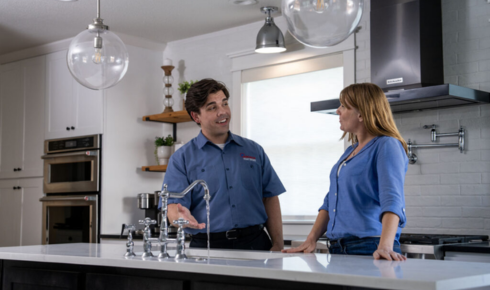
That’s why expert installation is worth taking seriously. A trained professional can size the system correctly, connect it safely, explain how it works, and make sure it fits the home’s plumbing setup. It’s the difference between hoping the system works and knowing it was set up properly from the start.
Maintenance doesn’t have to be complicated
A good water treatment system should make life easier, not add another stressful chore to the list. Still, every system needs some level of care. Filters may need changing. Salt levels may need checking. Some units require periodic service to keep performance steady.
The good news is that routine maintenance is usually straightforward when the system is designed well and explained clearly. Homeowners don’t need to become water experts. They just need to understand the basics and know when to call for service.
The quiet comfort of better water
Better water is one of those upgrades that works in the background. You may not notice it every second, but you feel the difference over time. Showers become more comfortable. Appliances stay cleaner. Drinking water tastes fresher. Cleaning takes less effort. The whole home just feels a bit more settled.
And maybe that’s the real value. Water is part of nearly everything we do at home, from the first coffee of the morning to the last load of dishes at night. When it improves, daily life improves with it.
A healthier, cleaner-feeling home doesn’t always start with a major renovation. Sometimes, it starts with asking a simple question: what’s really in your water?