Water is one of those things we don’t usually appreciate until it stops meeting our expectations. Maybe your morning coffee suddenly tastes a little flat, your shower leaves mineral spots on the glass, or your appliances seem to need repairs more often than they should. None of these experiences feel dramatic at first, but together they can change how comfortable your home or business feels every single day.
The interesting part is that water isn’t the same everywhere. Two homes on the same street can have different plumbing conditions, while businesses across town may deal with completely different water challenges depending on their industry and equipment. That’s why improving water quality isn’t about buying the most expensive filter on the market. It’s about understanding what your water actually needs.
Once you know that, finding the right solution becomes much simpler.
Every Water Source Has Its Own Characteristics
Water takes a long journey before it reaches your faucet. Municipal systems collect, treat, and distribute water through miles of underground pipes, while private wells draw groundwater directly from beneath the property.
Along the way, minerals, natural sediments, seasonal weather, and local infrastructure all influence what eventually arrives at your tap.
Some people notice a faint chlorine taste. Others deal with hard water minerals, excess iron, sulfur odors, or cloudy water after heavy rainfall. None of these conditions automatically mean the water is unsafe, but they can certainly affect how enjoyable it is to use.
Understanding the source of your water is always the first step toward improving it.
Why One Solution Doesn’t Fit Every Home
It’s tempting to think every household should install the same filtration system, but water treatment simply doesn’t work that way.
A family dealing with hard water has very different needs than someone trying to remove sulfur odors. Likewise, homeowners concerned about chlorine won’t necessarily benefit from equipment designed to address iron or manganese.
That’s why professional testing often saves both time and money. Instead of guessing, you receive a clear picture of what’s actually in your water and which improvements will make the biggest difference.
Personalized solutions almost always outperform generic ones.
Choosing the Right Water Treatment Systems
Modern water treatment systems are designed to solve specific challenges rather than attempting to address every possible water issue at once.
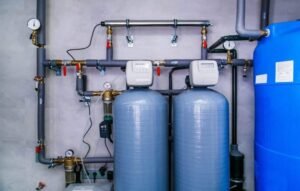
Activated carbon filters improve taste and reduce chlorine-related odors. Water softeners target excess calcium and magnesium responsible for hard water. Reverse osmosis systems remove many dissolved contaminants, while ultraviolet purification focuses on microorganisms in certain applications.
The best setup depends entirely on your household’s water conditions, plumbing system, and daily usage.
That’s why professional recommendations typically begin with testing instead of product catalogs.
Private Wells Require Special Attention
Unlike municipal water, private well owners are responsible for monitoring their own water quality.
Groundwater naturally changes over time. Heavy rain, drought, nearby construction, and geological conditions can all influence mineral content or introduce naturally occurring substances that weren’t present before.
Routine well water treatment helps homeowners address issues such as iron staining, sulfur smells, sediment, hardness, and other conditions commonly associated with groundwater supplies.
Regular testing remains especially important because well water isn’t continuously monitored by municipal utilities.
For many rural homeowners, that extra attention provides valuable peace of mind.
Water Quality Affects More Than Drinking
Most people immediately think about drinking water, but household water quietly influences almost everything else inside the home.
Cooking, laundry, bathing, dishwashing, water heaters, plumbing fixtures, and expensive appliances all depend on water quality.
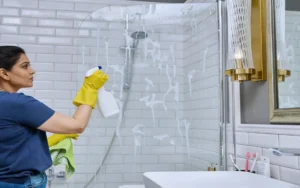
Hard water can reduce appliance efficiency over time, while excess sediment may clog fixtures or shorten the lifespan of plumbing components. Even soap behaves differently depending on mineral levels.
Improving household water often creates benefits that extend far beyond the kitchen sink.
Sometimes the biggest improvements aren’t the ones you taste—they’re the ones you stop noticing because everything simply works better.
Businesses Depend on Consistent Water Too
Water quality isn’t only a residential concern.
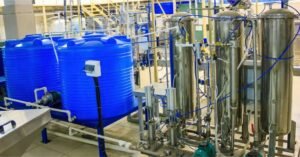
Restaurants rely on consistent water for food preparation and beverages. Hotels want spotless glassware and comfortable guest experiences. Manufacturing facilities often require precise water conditions for production equipment, while healthcare providers depend on reliable water quality for sanitation.
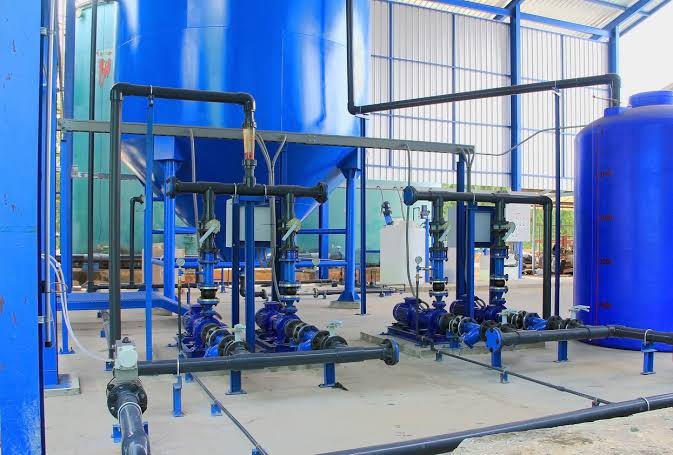
That’s why commercial water filtration has become an important investment across many industries.
Business owners aren’t just protecting equipment—they’re protecting product quality, customer satisfaction, and long-term operating costs.
Reliable water supports reliable operations.
Why Testing Should Always Come First
Many homeowners purchase filtration equipment before understanding what they’re trying to solve.
Unfortunately, that approach often leads to disappointment because the chosen system may not address the actual issue.
A professional water analysis identifies hardness, pH balance, dissolved minerals, chlorine levels, iron, sediment, and other important characteristics. With accurate information, selecting the right equipment becomes far more straightforward.
Testing removes assumptions from the decision-making process and helps avoid unnecessary expenses.
It’s one of the simplest steps that produces the most valuable information.
Better Water Improves Everyday Living
One of the nicest things about improving water quality is that the benefits become part of your routine without demanding attention.
Morning coffee tastes cleaner. Soap rinses away more easily. Laundry feels softer. Showers become more comfortable, while appliances quietly operate with fewer mineral-related problems.
None of these changes feel dramatic in isolation, yet together they make daily life noticeably more pleasant.
Good water supports healthy habits while reducing many of the small frustrations homeowners simply learn to tolerate over time.
The Best Water Solution Is the One Designed for You
When people begin exploring water improvement options, it’s easy to become overwhelmed by advertisements promising miracle results.
The reality is much simpler.
The best water solution isn’t the newest technology or the most expensive equipment. It’s the system designed around your specific water source, your home’s plumbing, and your family’s daily needs.
By starting with accurate testing, understanding your water, and choosing targeted treatment instead of guesswork, you’ll enjoy benefits that extend well beyond drinking water alone.
Better water isn’t just about filtration. It’s about creating a home or workplace where every drop works the way it should—quietly, consistently, and with confidence every single day.