Most people don’t think about the water in their home until something starts feeling wrong. Maybe the tap water tastes a bit sharp. Maybe the shower leaves skin dry. Maybe white marks keep showing up on faucets, glasses, and shower doors no matter how often someone cleans them. These small things are easy to brush off, but they can quietly affect comfort, appliances, cooking, cleaning, and even how much water a family actually drinks.
That’s why home water treatment has become less of a luxury upgrade and more of a practical household improvement. It helps homeowners deal with everyday water problems in a way that feels simple, useful, and long overdue.
Why Water Quality Shows Up in Everyday Life
Water moves through almost every part of the home. It fills coffee makers, rinses vegetables, washes clothes, cleans dishes, runs through water heaters, and flows from every showerhead and faucet. When that water carries minerals, chlorine, sediment, iron, or unpleasant odors, the effects spread quickly.
Sometimes the signs are obvious, like rusty stains or a strange smell. Other times they are more subtle. Soap may not lather well. Laundry may feel stiff. Dishes may look cloudy. A cup of tea may taste flat. The water might be safe by basic standards but still not pleasant to use.
That is what makes water improvement so personal. It is not only about what is in the water. It is about how the water behaves in real life.
The Problem with “Good Enough” Tap Water
A lot of homeowners accept poor-tasting or hard water because they assume nothing can be done without major plumbing work. So they keep buying bottled water, scrubbing mineral spots, replacing clogged showerheads, or using extra detergent.
But “good enough” water often comes with hidden costs. Hard minerals can create scale inside appliances. Sediment can affect fixtures. Chlorine taste can make drinking water less appealing. Iron can stain sinks and tubs. Over time, these issues turn into maintenance, frustration, and avoidable spending.
Better water does not need to be complicated. It just needs to match the actual problem.
What Better Tasting Water Really Means
For many families, the first concern is taste. Nobody wants to drink water that smells like a swimming pool, tastes metallic, or leaves an odd aftertaste. When water tastes unpleasant, people naturally avoid it. They reach for bottled drinks, filtered pitchers, or cases of plastic bottles from the store.
A proper drinking water setup can help create better tasting water for everyday use, from morning coffee to cooking pasta, filling reusable bottles, making ice, or preparing baby formula. The difference can be surprisingly noticeable. Coffee tastes cleaner. Ice does not carry that strange freezer-and-tap flavor. A plain glass of water becomes easy to drink again.
And honestly, that convenience matters. Good water should not require hauling bottles from the car every week.
Hard Water and the Quiet Damage It Causes
Hard water is one of the most common complaints in many homes. It contains minerals like calcium and magnesium, which leave behind scale and residue. The water may not look dirty, but it can still cause problems.
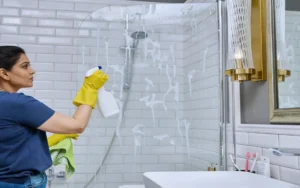
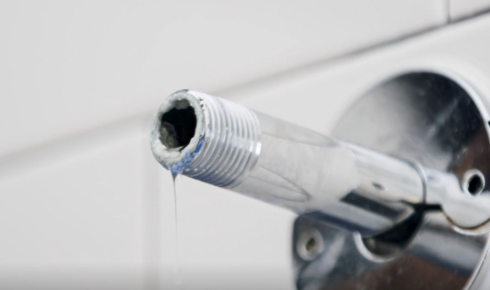
You might see chalky buildup around faucets, cloudy spots on dishes, and crusty deposits on showerheads. Hair may feel less clean after washing. Skin may feel dry. Appliances such as water heaters, dishwashers, and washing machines may work harder because of mineral buildup.
A water softening system can help reduce these issues, making cleaning easier and helping household systems operate with less strain.
Why Testing Comes First
One mistake homeowners make is choosing a system based only on guesswork. A filter bought online may improve taste but do nothing for hardness. A softener may reduce scale but not remove odor. A basic cartridge may catch sediment but fail to handle staining minerals.
Testing gives a clearer picture of what is actually happening. It can show whether the main issue is hardness, chlorine, iron, sediment, pH imbalance, odor, or another concern. From there, the solution becomes more targeted and more reliable.
This step may feel small, but it can prevent wasted money and disappointment later.
Choosing the Right System for the Home
Every home has different needs. City water may need help with chlorine taste, hardness, or general filtration. Well water may involve iron, sulfur smell, sediment, or bacteria concerns. A small household may need a different setup than a large family that uses a lot of water each day.
Good water quality depends on matching the right treatment to the home’s source, plumbing, usage, and comfort goals. Some houses may only need a drinking water system. Others may benefit from whole-home filtration, softening, or a combination of systems.
The best system is not always the biggest or most expensive. It is the one that solves the real problem without making maintenance difficult.
The Home Comfort Side of Cleaner Water
There is something quietly satisfying about water that simply works better. Showers feel fresher. Laundry comes out softer. Glasses look clearer. Faucets stay cleaner for longer. Cooking feels more dependable. People drink more water because it tastes like something they can trust.
These improvements are not flashy, but they are felt every day. Better water becomes part of the background of a well-run home.
A Practical Upgrade That Pays Attention to Real Life
Water treatment is not just about filters, tanks, or technical equipment. It is about making daily routines easier and more comfortable. It helps protect appliances, improves drinking water, reduces irritating buildup, and gives homeowners more confidence in what flows through the tap.
For any home dealing with bad taste, stains, hard water, odors, or constant bottled water use, it may be time to look closer. With proper testing and the right solution, cleaner water is not a complicated dream. It is a practical upgrade that can make the whole home feel better, one glass and one shower at a time.