
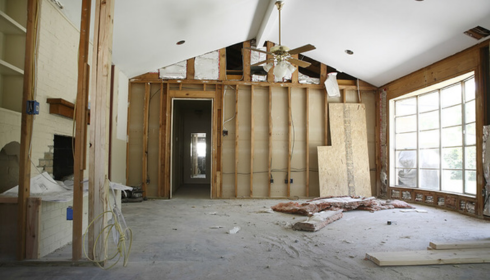
How can clearly deciding which rooms must stay usable during renovation guide the phasing of work?

In a lived-in renovation, you can’t shut down the entire home, especially if you have kids, elders, or work-from-home needs. If you decide upfront which rooms must remain functional—maybe one bedroom, one bathroom, the kitchen—you can plan phases intelligently.

The contractor can schedule dusty, noisy work away from those zones first, then rotate as areas are completed. Temporary arrangements for sleeping or cooking can be planned with minimal overlap.

Without this clarity, you risk chaotic days where everything is half-broken: no proper toilet, kitchen counter demolished while you’re still living there, or multiple rooms unusable at the same time. That’s when renovation becomes unbearable.

Stating your non-negotiables early helps everyone stage the work so life is disrupted, but not destroyed.

Advertisement

When Kitchen Appliances Start...

There’s a certain rhythm to a well-functioning kitchen. The...

How can placing a...

Coffee tables naturally attract stuff: remotes, coasters, candles, books,...

What difference does hiding...

Chargers and cables are like visual clutter magnets. A...

How can choosing curtains...

Curtains that puddle dramatically on the floor look beautiful...

Why does using mirrors...

Mirrors don’t create light; they redirect it. If you...

How can pairing one...

A sofa piled with ten different loud cushions can...

When Kitchen Appliances Start Acting Up: A Real-World Guide to Smart Repairs

There’s a certain rhythm to a well-functioning kitchen. The hum of appliances, the quiet click of switches, the comforting smell of morning coffee brewing....

How can placing a tray on a coffee table turn scattered items into a single, tidy-looking group?

Coffee tables naturally attract stuff: remotes, coasters, candles, books, maybe a plant, definitely some random thing that hasn’t found its home yet. Spread out,...

What difference does hiding everyday chargers and cables in a small box or organiser make to visual calm?

Chargers and cables are like visual clutter magnets. A few wires on a table instantly make the area look busy and untidy, even if...

How can choosing curtains that just lightly touch the floor look neater than ones pooling too much?

Curtains that puddle dramatically on the floor look beautiful in styled photos, but in everyday life they collect dust, get kicked around, and tangle...

Why does using mirrors opposite light sources, instead of randomly, make a bigger difference to brightness?

Mirrors don’t create light; they redirect it. If you hang a mirror on a wall that faces a blank wall, you’ll mostly just reflect...

How can pairing one bold cushion with a few plain ones add personality without cluttering the sofa?

A sofa piled with ten different loud cushions can look messy fast. But a completely plain sofa with no cushions at all can feel...

How can painting the back of doors a fun colour add character without overwhelming the main room?

Sometimes you want a playful touch but don’t want to commit to a bright feature wall or bold furniture. The back of a door...

What benefit is there in noting the exact paint brand, shade number and finish in your home file?

Three years after painting, when you want to touch up a wall or repaint one room, “light grey” isn’t enough information. Different brands and...

How can choosing a slightly warmer white instead of a very cold one change how cosy a room feels?

Not all whites are the same. Some lean blue or grey—these “cool whites” can look crisp and modern, but in certain lights they can...