Most people don’t wake up thinking about water. It’s just there — running from the kitchen tap while coffee brews, filling pots for dinner, splashing across sleepy faces in the morning. Water becomes part of the background of life, almost invisible until something changes.
Maybe the tap starts smelling faintly like chlorine. Maybe dishes come out cloudy no matter how much soap you use. Or maybe you simply notice that the water tastes different when visiting someone else’s home. Funny enough, those little moments are often what push people to finally pay attention to the water they use every day.
And honestly, once you start noticing it, you can’t really unnotice it.
Why Water Conversations Have Changed
A few years ago, most homeowners only thought about plumbing when something broke. Now the conversation feels broader. People care more about what goes into their homes — the air they breathe, the products they clean with, and naturally, the water they consume.
That shift isn’t about fear. It’s more about awareness.
Families today spend more time researching ingredients, reading labels, and trying to create healthier routines. Water became part of that bigger picture. After all, it’s something we use constantly without giving it much thought.
Some people begin exploring drinking water solutions after noticing unpleasant taste or odor issues. Others are motivated by hard water stains, aging pipes, or simply wanting fewer plastic bottles around the house. Whatever the reason, interest in cleaner, more reliable water keeps growing quietly year after year.
Taste Matters More Than People Realize
One thing people underestimate is how much water influences everyday food and drinks. If tap water carries too much chlorine or mineral content, coffee changes. Tea changes. Even soup recipes can taste slightly off without anyone fully understanding why.
I remember visiting relatives who had recently installed a filtration system beneath their sink. At first, I expected no difference at all. Then I poured a glass and immediately noticed how smooth it tasted compared to what I was used to back home.
It wasn’t dramatic or magical. Just cleaner. Fresher somehow.
That’s the thing about purified water — the benefits are often subtle at first, but over time they become part of your daily comfort. People start drinking more water naturally because it tastes better. Kids stop complaining about odd smells. Even pets sometimes seem more interested in their bowls.
Little things, honestly. But meaningful ones.
Understanding Modern Filtration Systems
Water filtration technology has improved a lot over the years. Older systems were often bulky, expensive, or difficult to maintain. Today, there are options for almost every type of household and budget.
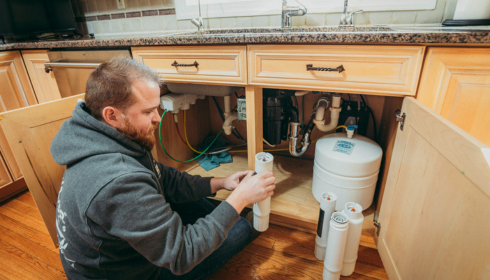
Some families prefer simple filtered pitchers for convenience. Others install under-sink units or full-house systems depending on local water conditions. There’s no universal setup that fits everyone perfectly.
The key is understanding what problem you’re actually trying to solve.
Some homes deal mainly with hard minerals that leave residue on fixtures and appliances. Others may struggle with sediment, chlorine taste, or naturally occurring particles. In rural areas, well water sometimes requires more advanced treatment than municipal systems found in larger cities.
That’s why learning a little about local water treatment methods can genuinely help homeowners make smarter decisions instead of falling for flashy marketing claims online.
The Hidden Cost of Ignoring Water Quality
People usually notice bad water eventually, but poor water conditions can affect more than taste alone.
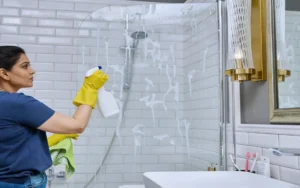
Hard water slowly damages appliances. Mineral buildup shortens the lifespan of dishwashers, coffee makers, and washing machines. Skin may feel dry after showers. Laundry can lose softness over time. Those little frustrations build up quietly in the background.
And then there’s bottled water.
For years, many households relied heavily on buying large packs every week because it felt easier or safer. But between rising costs and the amount of plastic waste created, more families are looking for long-term alternatives that feel less wasteful and more practical.
Home filtration doesn’t eliminate every problem overnight, obviously. But it often creates a sense of consistency people appreciate once they experience it.
Cleaner Water and Peace of Mind
There’s also an emotional side to water quality that rarely gets discussed. Trust matters. People want confidence in the basics of daily life.
When you know the water flowing into your kitchen is cleaner and properly filtered, you stop second-guessing it constantly. You refill reusable bottles without hesitation. You make baby formula or cook pasta without wondering what’s in the water.
That peace of mind sounds small until you realize how many times a day you interact with water.
Honestly, comfort often comes from removing tiny annoyances rather than adding luxury. Better water fits into that category perfectly.
Choosing What Works Without Overcomplicating Things
One common mistake people make is assuming they need the most expensive system available. Usually, they don’t.
The smartest approach starts with understanding your home’s actual water conditions. Water testing kits can help identify specific concerns. Local water reports also provide useful information about mineral content and treatment standards in your area.
From there, solutions become easier to narrow down.
Sometimes a basic carbon filter is enough. Other homes benefit from more advanced systems. The important part is choosing something manageable that fits daily life rather than chasing perfection.
Better Water Quietly Improves Everyday Living
The funny thing about upgrading water quality is that it rarely feels dramatic. There’s no huge moment where life suddenly changes overnight. Instead, improvements show up quietly over time.
Coffee tastes cleaner. Showers feel softer. Reusable bottles become part of the routine. Appliances stay cleaner longer. Small habits shift naturally without much effort.
In the end, good water isn’t really about trends or expensive technology. It’s about creating a home that feels healthier, simpler, and easier to trust day after day.
And honestly, that’s probably something most people want more of anyway.