Water has a funny way of fading into the background. We expect it to be there every morning when we brush our teeth, every evening when we cook dinner, and every weekend while tackling another load of laundry. Because it’s part of nearly everything we do, it’s easy to overlook the subtle signs that something isn’t quite right.
Most water quality issues don’t begin with a major plumbing emergency. Instead, they appear gradually—a strange smell from the faucet, cloudy drinking glasses, or a shower that somehow leaves your skin feeling less refreshed than it should. These little annoyances often become part of everyday life simply because they happen so slowly.
The truth is, your home’s water says a lot about what’s happening behind the scenes. Paying attention to those quiet clues can help you solve small issues before they turn into expensive repairs or ongoing frustration.
Every Drop Has Its Own Journey
Before water reaches your faucet, it has already traveled a long way. Some homes receive treated municipal water, while others rely on private wells. Along the way, water comes into contact with minerals, treatment chemicals, underground rock formations, and aging infrastructure.
That journey shapes the quality of the water arriving in your kitchen and bathroom. It’s why two homes only a few streets apart can have completely different experiences. One family may struggle with mineral-heavy water, while another notices chlorine odors or sediment after heavy rainfall.
There’s no universal water profile, which is why understanding your home’s unique water conditions is always worth the effort.
Taste and Smell Matter More Than People Think
Most people judge water quality by appearance. If it looks clear, they assume everything is fine.
But taste and smell often provide the earliest clues that something has changed. Water with excess chlorine may have a sharp chemical flavor. Sulfur can create an unpleasant rotten egg odor, while naturally occurring minerals sometimes produce metallic or earthy notes.
Many homeowners first begin researching water quality because of water taste & odor issues that make drinking water less enjoyable. While these concerns aren’t always signs of serious contamination, they certainly affect how comfortable people feel using their tap water every day.
Clean-tasting water encourages healthier hydration, improves beverages like coffee and tea, and simply makes everyday routines more pleasant.
Why Glasses Never Look Truly Clean
Have you ever unloaded the dishwasher only to find your glasses covered with cloudy marks even though they’ve just been washed?
It’s one of the most common complaints homeowners mention, and surprisingly, the dishwasher often isn’t to blame.
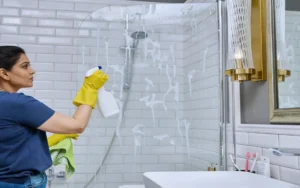
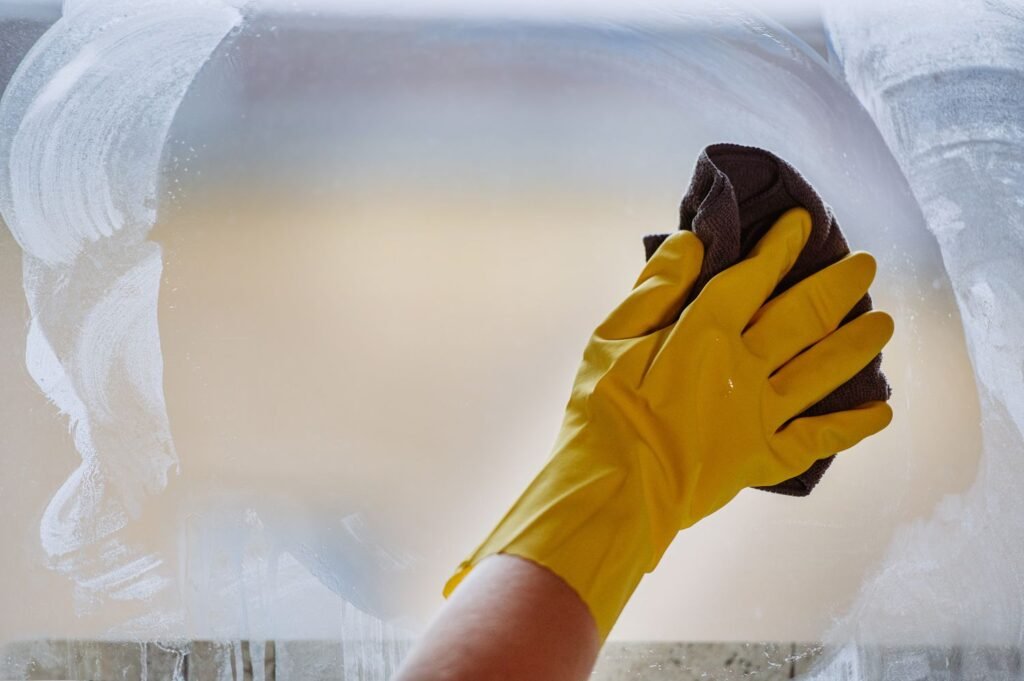
Minerals dissolved in water remain behind after the water evaporates. Over time, these minerals create spots stains on glass that seem impossible to remove completely. The same residue can appear on shower doors, faucets, sinks, and chrome fixtures throughout the house.
Many people spend years trying different cleaning products without realizing the source of the problem is actually the water itself.
Addressing water quality often reduces cleaning time while helping fixtures maintain their appearance much longer.
Hard Water Works Quietly in the Background
Unlike a burst pipe or leaking faucet, hard water rarely creates immediate problems. Instead, it slowly affects the systems homeowners depend on every day.
Calcium and magnesium gradually accumulate inside plumbing pipes, water heaters, coffee makers, and household appliances. The process is slow enough that most people don’t notice it until efficiency begins to decline.
This hard water build-up can reduce water flow, force appliances to work harder, increase energy consumption, and shorten equipment lifespan over time.
It’s one of those invisible household issues that quietly adds maintenance costs year after year.
Better Water Benefits More Than Plumbing
Improving water quality isn’t only about protecting pipes or reducing stains.
People often notice softer towels after laundry, shampoo that rinses away more easily, cleaner dishes, brighter clothing, and smoother-feeling skin after bathing. Even cooking can become more enjoyable because ingredients aren’t competing with unpleasant flavors or odors in the water.
Coffee tastes richer. Tea develops cleaner flavors. Ice cubes become clearer. These aren’t dramatic life-changing moments, but together they make a noticeable difference in daily comfort.
Sometimes it’s the little improvements that people appreciate the most.
A Water Test Removes the Guesswork
One mistake many homeowners make is trying to diagnose water problems based on internet searches alone.
Cloudy glasses might indicate hard water, but they could also result from dishwasher settings or detergent choices. Strange odors may come from plumbing, water heaters, or naturally occurring minerals.
A professional water analysis removes the uncertainty. Rather than guessing, it identifies exactly what’s present in your home’s water supply and helps determine whether treatment is necessary.
That information makes choosing the right solution much easier while preventing unnecessary spending on equipment that may not solve the real issue.
Looking Beyond Today’s Problems
It’s easy to ignore water quality when everything seems to be functioning well enough. After all, the faucet still works, the shower still runs, and dinner still gets cooked.
But good water isn’t simply about avoiding problems. It’s about creating a home that’s healthier, easier to maintain, and more enjoyable to live in every single day.
Cleaner fixtures, better-tasting drinks, improved appliance performance, and fewer maintenance headaches all begin with understanding what’s flowing through your plumbing.
Water touches nearly every part of life inside a home. When it’s clean, balanced, and suited to your household’s needs, you stop noticing the little frustrations that once felt normal. And honestly, that’s probably the best sign that you’ve made the right investment.