Water is one of those things we rarely think about until something feels off. It flows when we turn on the tap, fills our coffee mug in the morning, and helps us clean, cook, and shower without much thought. But every now and then, your home’s water starts sending subtle signals. Maybe your sink develops strange orange marks. Perhaps your shower doesn’t feel as refreshing as it used to, or your dishes come out looking cloudy despite using the same detergent.
The truth is, water quality can change over time. Municipal systems evolve, private wells fluctuate with the seasons, and underground plumbing ages just like everything else. Ignoring these changes may not cause immediate problems, but they often become more noticeable—and more expensive—the longer they’re left alone.
The Little Clues That Are Easy to Miss
Not every water problem begins with a dramatic leak or a burst pipe. In fact, many start quietly.
Maybe your white towels slowly develop yellowish spots. Perhaps your faucet collects stubborn buildup that never seems to disappear. You might even notice your soap doesn’t lather the way it once did. These are everyday inconveniences that many homeowners simply accept as “normal.”
They’re often not normal at all.
Water carries naturally occurring minerals, and depending on where you live, the balance of those minerals can shift over time. Seasonal rainfall, groundwater conditions, aging infrastructure, and local treatment processes all influence what eventually comes out of your tap.
The challenge is that these small changes happen gradually. Because they don’t appear overnight, it’s surprisingly easy to adapt without realizing your water has changed.
Why Testing Matters More Than Guessing
It’s tempting to diagnose water quality based on taste or appearance alone. If the water looks clear, most people assume everything is fine.
Unfortunately, clear water isn’t always balanced water.
Many common water quality concerns can’t be seen, smelled, or tasted. On the flip side, some visible issues may have harmless causes while others point toward a larger concern. That’s why relying on assumptions rarely provides reliable answers.
Scheduling a free home water test gives homeowners a much clearer picture of what’s actually happening. Rather than guessing whether hard water, excess minerals, or other factors are affecting your home, testing provides real information that helps you make informed decisions instead of expensive guesses.
It’s a simple first step, but one that often saves money in the long run.
When Stains Are More Than Cosmetic
One of the most obvious signs of changing water quality is discoloration around fixtures.
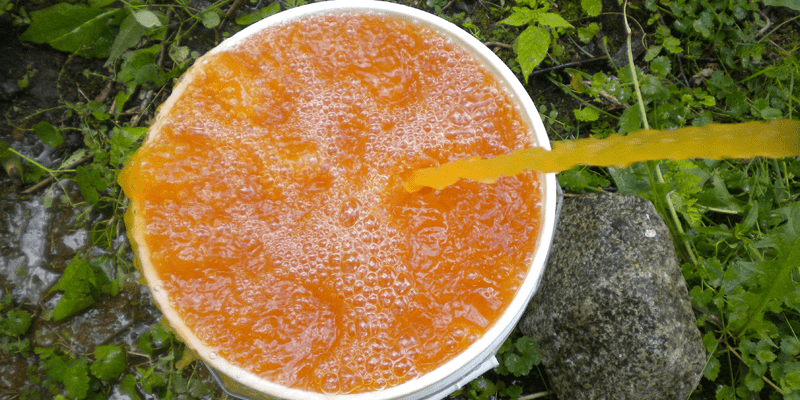
Those reddish, orange, brown, or even black marks that appear around sinks, tubs, and toilets aren’t always caused by poor cleaning habits. In many cases, they’re created by minerals naturally present in the water supply.
Persistent iron & mineral stains can become increasingly difficult to remove once they settle into porcelain, tile grout, and other surfaces. Homeowners often spend extra money on stronger cleaning products without addressing the source of the problem.
Beyond appearance, these deposits may also build up inside plumbing fixtures, reducing water flow over time and making appliances work harder than necessary.
Treating the underlying water quality usually proves much more effective than endlessly scrubbing visible stains.
Hard Water Doesn’t Stay in the Bathroom
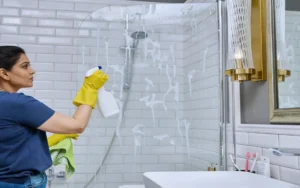
People often associate hard water with shower doors covered in white spots, but the effects don’t stop there.
Mineral-rich water quietly impacts many parts of a home.
Dishwashers may leave cloudy glasses. Washing machines can struggle to rinse fabrics completely. Water heaters often become less efficient as mineral deposits accumulate inside the tank. Coffee makers, kettles, and ice makers may require more frequent cleaning than expected.
Even everyday tasks change. Soap takes longer to rinse away, shampoo may not lather as well, and skin sometimes feels dry after bathing.
None of these issues seem particularly serious on their own. Together, though, they create ongoing frustration and unnecessary maintenance costs.
Water Quality Can Affect More Than Your Plumbing
Water isn’t only about protecting pipes or appliances.
Many families notice differences in their daily routines after improving their home’s water quality. Softer laundry feels more comfortable. Glassware looks cleaner. Hair becomes easier to manage. Even making tea or coffee can feel slightly different because mineral content influences flavor.
While everyone’s experience varies, cleaner water often improves dozens of small moments throughout the day that people rarely connect to their water supply.
It’s one of those home improvements that quietly works in the background without demanding attention.
Every Home Has Different Water Challenges
A neighbor’s solution isn’t necessarily the right solution for your home.
Two houses located on the same street can experience different water conditions due to plumbing materials, well depth, household usage, or municipal distribution routes.
That’s why generic advice found online only goes so far.
Some homes primarily deal with hardness. Others struggle with iron, manganese, sulfur odors, sediment, or chlorine taste. Installing equipment without understanding the actual cause can lead to unnecessary expenses while leaving the original problem unresolved.
Identifying the exact water issues affecting your household allows treatment recommendations to be tailored instead of based on assumptions.
That personalized approach almost always produces better long-term results.
Prevention Is Usually Less Expensive Than Repairs
Homeownership is full of maintenance decisions.
Some can wait. Others quietly become larger problems when ignored.
Water quality belongs somewhere in the middle. It’s rarely an emergency, yet overlooking it for years can gradually shorten the lifespan of appliances, increase cleaning time, and reduce plumbing efficiency.
Regular water testing helps homeowners identify changing conditions before those problems become costly repairs. In many cases, relatively small adjustments today help avoid larger replacement bills tomorrow.
It’s a practical investment—not because every home has serious water concerns, but because every home benefits from knowing the truth about its water.
A Better Understanding Starts with Simple Answers
Water flows through nearly every part of daily life, yet it’s one of the least understood systems in most homes.
We tend to notice obvious problems while overlooking the quiet changes that happen month after month. A stain here. A cloudy glass there. A shower that feels slightly different. Individually, they’re easy to dismiss. Together, they often tell a much bigger story.
The good news is that understanding your home’s water doesn’t have to be complicated. A professional evaluation provides clarity without guesswork, helping you separate harmless quirks from genuine concerns.
When you know what’s in your water, you can make smarter decisions about maintenance, cleaning, and long-term home care. And sometimes, the smallest improvement—a cleaner faucet, softer towels, better-tasting drinking water—ends up making the biggest difference in everyday life.