It doesn’t usually start with a big decision. More like a quiet realization. Maybe your tea tastes a little flat. Maybe your skin feels dry even after a shower. Or maybe you’ve just had one too many moments of wondering what’s actually coming out of your tap.
For most of us, water sits in the background of life—reliable, unnoticed, taken for granted. Until something nudges you to pay attention. And once that happens, it’s hard to ignore.
When “Good Enough” Stops Feeling Good Enough
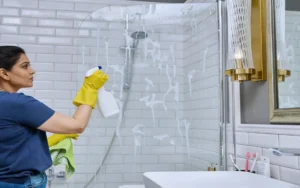
There’s a point where you start questioning things you never used to think about. Is this normal? Should water smell like this? Why does it leave marks everywhere?
These questions don’t always come with urgency, but they linger. And over time, they build into something else—a desire to improve things, even if just a little.
That’s when people begin exploring different water filtration solutions. Not out of panic, but curiosity. A quiet decision to make everyday life just a bit better.
And honestly, it’s rarely about perfection. It’s about consistency. Knowing that the water you use every day—whether you’re drinking it, cooking with it, or just washing your hands—feels clean and reliable.
Looking Beyond the Kitchen Sink
Most people start small. A filter jug, maybe a faucet attachment. And for some, that’s enough.
But then comes the realization that water doesn’t just affect what you drink. It’s in your showers, your laundry, your appliances. It touches almost every part of your home in ways you don’t always notice.
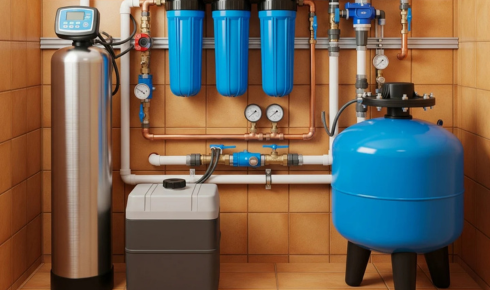
That’s where systems like whole home reverse osmosis come into the conversation. It sounds like a big step—and it is—but it’s also a shift in thinking. Instead of fixing one tap, you’re addressing the entire flow.
And the difference? It’s not just about taste anymore. It’s about how everything feels. Softer water on your skin. Cleaner dishes. Appliances that don’t wear out as quickly.
It’s subtle at first. But over time, it becomes hard to go back.
Why Guesswork Doesn’t Always Work
One of the trickiest parts of improving water quality is figuring out what the actual problem is. Because not all water issues are obvious.
Sometimes it’s minerals. Sometimes it’s chlorine. Sometimes it’s things you can’t see or taste at all.
That’s why working with certified specialists can make things simpler. They’re not just recommending products—they’re helping you understand what’s going on beneath the surface.
And that understanding matters. It turns random decisions into informed ones. It removes the guesswork and replaces it with clarity.
Which, in a process like this, is incredibly valuable.
The Unexpected Benefits
When you improve your home’s water, you expect certain changes. Better taste, fewer stains, maybe less buildup.
But there are other benefits that sneak up on you.
Your clothes might last longer. Your soap might actually lather the way it’s supposed to. Even your hair might feel different—less brittle, more manageable.
These aren’t dramatic transformations. They’re small, everyday improvements. But they add up in ways you don’t always anticipate.
And over time, they start to feel normal.
A Shift in Perspective
What’s interesting is how your relationship with water changes once you start paying attention to it.
It’s no longer just a utility. It becomes part of your comfort, your routine, your sense of well-being.
You start to notice the difference when you travel. You appreciate the consistency at home. You realize how much something so simple can affect your daily experience.
And that awareness tends to stay with you.
Keeping It Simple (Even When It Feels Complex)
It’s easy to feel overwhelmed when you start looking into water systems. There’s a lot of information out there, and not all of it is easy to digest.
But it doesn’t have to be complicated.
Start with understanding your water. Take one step at a time. Ask questions. Explore options without rushing into decisions.
Because the goal isn’t to find the most advanced system—it’s to find what works for you.
A Final Thought, Just to Ground It
At the end of the day, improving your water isn’t about chasing perfection. It’s about creating a home environment that feels better, little by little.
It’s about noticing the small things—and deciding they matter.
And maybe that’s the real takeaway here. Sometimes, the biggest improvements come from paying attention to the things we usually overlook.
Like the water we use, every single day.