Most homeowners don’t spend much time thinking about their water softener—and honestly, that makes sense. It usually sits quietly in a utility room or garage, doing its job day after day without asking for attention. But like any hardworking appliance, it won’t perform at its best forever if it’s ignored.
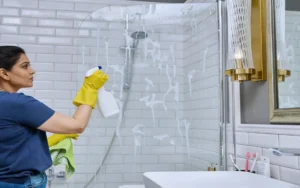
The funny thing is, people often notice the symptoms before they realize the cause. Soap suddenly doesn’t lather the way it used to. Glassware develops cloudy spots again. Towels feel rough after washing, and that familiar white buildup slowly returns to faucets and showerheads. At first, it seems like a coincidence. Then it becomes obvious that something has changed.
Keeping a water softener in good condition isn’t just about protecting the equipment itself. It’s about maintaining the comfort, efficiency, and convenience that clean water brings to everyday life.
Water Softeners Work Hard Every Single Day
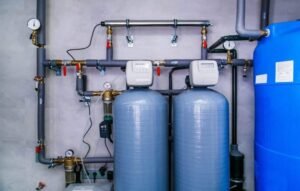
Think about how often your home’s plumbing is used. Every shower, load of laundry, dishwasher cycle, and faucet relies on water moving through the system. If your house has hard water, your softener is constantly removing minerals before they reach pipes and appliances.
That’s a big responsibility.
Over time, normal wear affects valves, resin beds, seals, and electronic controls. None of these parts last forever, but with proper care, many systems continue operating efficiently for years.
The key is recognizing small warning signs before they develop into expensive problems.
Signs Your System May Need Attention
Most water softeners don’t suddenly stop working overnight.
Instead, they gradually become less effective. You may notice soap becoming harder to rinse away, dishes looking cloudy again, or mineral deposits returning around faucets. Laundry may feel stiff, while skin and hair seem drier after showering.
Sometimes the system regenerates less efficiently, uses more salt than usual, or fails to regenerate altogether.
These symptoms don’t automatically mean the entire unit needs replacing. In many cases, timely servicing can restore performance without requiring a complete replacement.
Don’t Ignore the Need for water softener repair
When a system begins showing signs of trouble, scheduling water softener repair early is usually the smartest decision.
Small mechanical issues—such as worn seals, clogged injectors, faulty control valves, or malfunctioning timers—can often be corrected before they affect the rest of the system. Waiting too long may allow mineral buildup to spread throughout your home’s plumbing, creating additional maintenance costs.
Addressing problems promptly also helps appliances like dishwashers, washing machines, and water heaters continue operating under the conditions they were designed for.
Why Water Testing Matters Before Making Decisions
It’s surprisingly common for homeowners to assume every water problem is caused by the softener itself.
In reality, water quality can change over time depending on municipal treatment, seasonal groundwater conditions, plumbing updates, or private well characteristics.
That’s why many professionals recommend a free water analysis before suggesting repairs or replacement equipment.
Testing identifies actual water hardness levels and can also detect concerns such as iron, sediment, chlorine, or other minerals that may influence system performance. Instead of guessing, homeowners receive information that supports better long-term decisions.
Regular Maintenance Is Easier Than You Might Expect
One misconception about water softeners is that they require constant attention.
Thankfully, modern systems are designed to operate with very little day-to-day involvement. Most homeowners simply need to keep the salt level adequate, ensure the brine tank remains reasonably clean, and occasionally inspect the system for leaks or unusual operation.
Beyond these simple tasks, professional servicing every so often helps keep everything running smoothly.
Just like servicing an air conditioner or flushing a water heater, preventative care often costs far less than emergency repairs.
The Value of water softener maintenance
Routine water softener maintenance isn’t only about preventing breakdowns—it’s about protecting your investment.
Maintenance appointments typically include inspecting valves, checking regeneration settings, cleaning critical components, verifying water hardness reduction, and ensuring the system is operating efficiently.
These inspections can uncover small issues before they become expensive repairs. They also help maintain consistent water quality throughout the home, which benefits plumbing fixtures, household appliances, and everyday cleaning tasks.
Many homeowners find that regular maintenance provides peace of mind because they know the system is performing as intended.
Hard Water Doesn’t Just Affect Plumbing
When people think about hard water, they often picture mineral stains on faucets. That’s certainly one consequence, but the effects extend much further.
Scale buildup inside water heaters can reduce heating efficiency. Washing machines may require additional detergent to achieve the same results. Coffee makers and kettles accumulate deposits that affect performance, while showerheads slowly become restricted by mineral accumulation.
Even soap behaves differently when hard water is present, making cleaning more difficult than necessary.
Maintaining a properly functioning water softener helps reduce these everyday frustrations.
Repair or Replace? It Depends
Not every aging water softener needs to be replaced.
If the system has been well maintained and the primary components remain in good condition, repairing individual parts can often extend its useful life considerably.
However, older units with repeated failures, declining efficiency, or outdated technology may eventually become more expensive to maintain than replace.
A qualified technician can evaluate the equipment, test water quality, and recommend the most practical solution based on the home’s actual needs rather than making assumptions.
Choosing a Reliable Service Professional
Experience matters when servicing water treatment equipment.
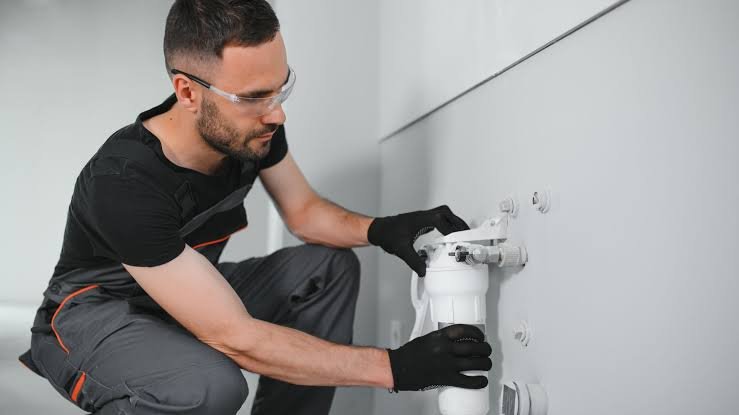
A knowledgeable technician doesn’t simply replace parts—they diagnose the underlying issue, verify system settings, test water hardness, and ensure everything functions correctly after repairs are completed.
Reading customer reviews, asking about certifications, and choosing companies that explain their recommendations clearly can help homeowners feel more confident about the service they’re receiving.
Good technicians focus on solving problems rather than selling unnecessary equipment.
A Little Attention Today Prevents Bigger Problems Tomorrow
Homeowners spend time maintaining roofs, HVAC systems, vehicles, and landscaping because they understand preventative care protects long-term value. Water softeners deserve that same mindset.
A system that’s inspected regularly, repaired promptly when needed, and maintained properly can continue providing dependable performance for many years.
Better water quality doesn’t always attract attention because it’s something people naturally expect. Yet behind every clean glass, comfortable shower, spotless dishwasher load, and efficient appliance is a system quietly doing its job.
Taking care of that system isn’t just another household chore—it’s an investment in your home’s comfort, efficiency, and long-term reliability. Sometimes the simplest maintenance decisions end up delivering the biggest everyday rewards.