Most homeowners spend a lot of time thinking about visible improvements. New paint. Better flooring. A kitchen remodel that finally replaces those cabinets from the early 2000s. But water? That usually stays low on the priority list until something starts going wrong.
Maybe the shower pressure drops. Maybe the sink develops stubborn white stains that seem impossible to keep away. Sometimes it’s subtler than that — dry skin after bathing, cloudy drinking glasses, or appliances that wear out faster than expected.
Water has this strange way of quietly shaping everyday life without asking for attention. And once people start improving it, they often realize just how much it was affecting the home all along.
The Hidden Role Water Plays Every Day
Think about how often water gets used in a typical house. Morning coffee, laundry, dishwashing, showers, cooking dinner, watering plants — it’s constant. Because it’s so routine, most of us stop noticing it entirely.
Until there’s a problem.
In many areas, minerals and impurities naturally exist in the local supply. Sometimes they affect taste. Other times they leave residue behind on fixtures and plumbing. Even when the water is technically safe, it may still create long-term headaches around the house.
That’s why more homeowners have started paying closer attention to residential water quality in recent years. Not because it’s fashionable, honestly, but because people are realizing how connected water is to comfort, maintenance, and even monthly utility costs.
Small Frustrations Usually Point to Bigger Issues
A lot of water-related problems begin as mild annoyances.
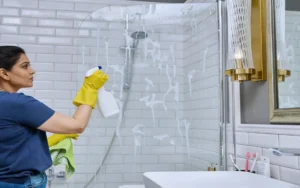
Soap doesn’t lather well. Towels feel rough after washing. The dishwasher leaves spots on clean dishes. Faucets constantly collect chalky buildup no matter how often they’re cleaned.
At first, people blame cleaning products or aging appliances. I did the same thing for years. I remember switching detergents three different times thinking that would somehow solve the issue with stiff laundry. It didn’t.
The real culprit turned out to be the water itself.
And that’s surprisingly common.
Why Filtration Has Become More Popular
The conversation around water filtration has shifted quite a bit over the last decade. It used to feel like something only health-focused homeowners invested in. Now it’s becoming part of regular home maintenance conversations.
Part of that comes from awareness. People simply know more now about how minerals, sediment, and contaminants affect household systems over time.
But there’s also the comfort factor.
Filtered water often tastes cleaner. Cooking feels better when water doesn’t carry odd odors or flavors. Showers become more pleasant. Some people even notice their coffee tastes noticeably different after upgrading their home water setup.
Not dramatically different, maybe. Just cleaner and smoother somehow.
Appliances Work Harder Than We Realize
One thing many homeowners overlook is how heavily appliances depend on water quality.
Water heaters, washing machines, dishwashers, coffee makers — all of them process water constantly. When mineral deposits start forming inside those systems, efficiency slowly declines. Energy use increases. Parts wear down faster.
The frustrating part is how gradual it feels. Nothing fails overnight. Instead, appliances just seem to age faster than expected.
A neighbor once replaced a fairly expensive dishwasher after only a few years because it wasn’t cleaning properly anymore. Later, a technician pointed out heavy scaling inside the machine caused by untreated water conditions.
That single issue probably shortened the lifespan by years.
Choosing a Setup That Actually Fits the Home
There’s no perfect one-size-fits-all answer when it comes to improving household water. Every region has different conditions, and every family uses water differently.
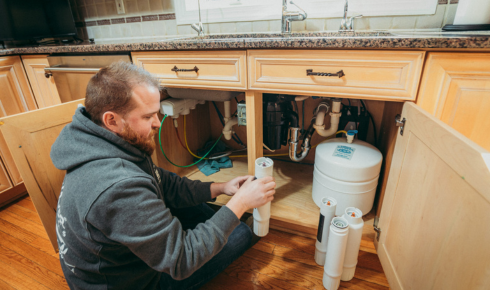
Some homes only need basic filtration. Others benefit from softening systems or more advanced treatment setups depending on the mineral content and overall supply quality.
That’s why personalized water solutions matter more than flashy marketing claims. A system that works beautifully in one household may not solve the same issues elsewhere.
Testing the water first usually makes the most sense. It gives homeowners a clearer picture of what’s actually happening instead of guessing based on internet advice or advertisements.
And honestly, that alone can save a lot of wasted money.
The Difference Shows Up in Everyday Moments
What surprises people most after improving their water usually isn’t one dramatic change. It’s the collection of small improvements that quietly stack together.
The bathroom stays cleaner longer. Soap rinses off properly. Glassware looks clearer. Appliances run more efficiently. Laundry softens up again.
Even simple things like making tea or washing vegetables somehow feel a little more pleasant.
It’s not life-changing in a cinematic sense. Nobody throws a party because their faucet stopped collecting residue. But over weeks and months, the comfort becomes noticeable enough that people rarely want to go back.
Better Water Makes a Home Feel Easier to Live In
There’s something oddly satisfying about fixing problems you didn’t fully realize were affecting your daily routine. Better water does that.
It removes little frustrations that slowly build up over time — the extra scrubbing, the cloudy dishes, the dry skin, the appliance issues you keep putting off.
And maybe that’s why homeowners who invest in improving water conditions often describe it the same way: the house just feels better afterward.
Not perfect. Not luxurious. Just easier, cleaner, and more comfortable in all the quiet ways that actually matter day to day.